
HDPE Double Wall Corrugated Pipes The Future of Underground Drainage
Emergence of HDPE as a Modern Solution
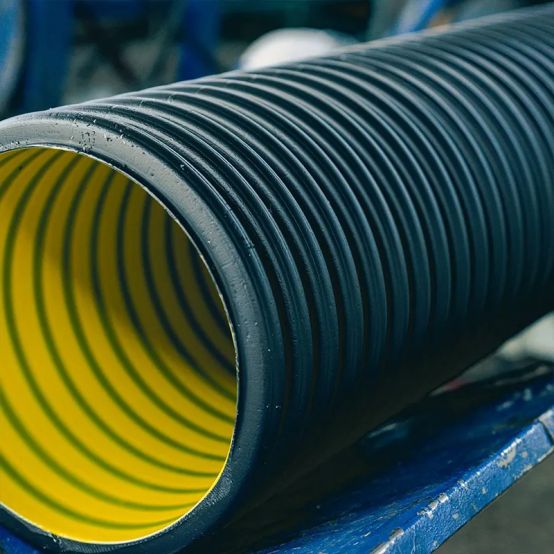
In recent years, HDPE pipes have emerged as a revolutionary alternative in drainage solutions. HDPE, or high-density polyethylene, is rapidly gaining popularity due to its excellent properties. Notably, HDPE pipes offer stronger resistance to corrosion compared to traditional materials, and their flexibility allows them to withstand ground movements without cracking. This flexibility helps in maintaining the structural integrity of drainage systems over extended periods.
Furthermore, the lightweight nature of HDPE makes transportation and installation significantly easier and less expensive. Reports from infrastructure projects highlight the growing adoption rate of HDPE pipes, primarily because they reduce both initial installation costs and long-term maintenance expenses. The compound annual growth rate from 2024 to 2028 is estimated to be robust, reflecting a shift within the industry towards more sustainable and cost-effective drainage solutions, further substantiating the benefits of transitioning to HDPE pipes.
What Are HDPE Double Wall Corrugated Pipes?
Dual-Layer Structure: Smooth Inner Wall & Corrugated Outer Wall
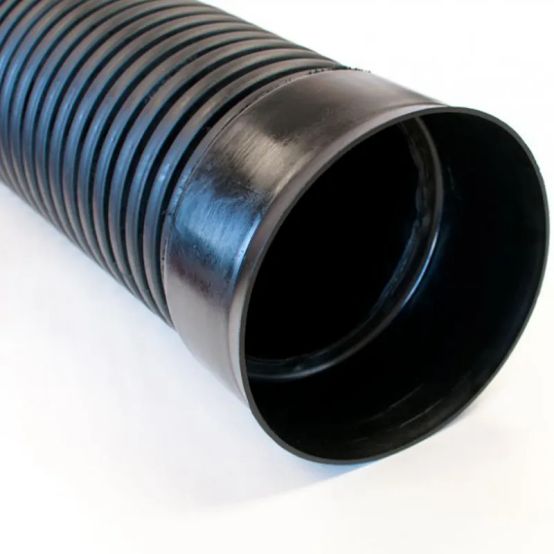
HDPE double wall corrugated pipes boast a distinctive dual-layer structure, featuring a smooth inner wall and a corrugated outer wall. This unique design enhances the pipe's flow rates, ensuring efficient transport of liquids with minimal resistance. The corrugated outer layer contributes significantly to the pipe's structural integrity, allowing it to withstand external pressures without compromising on durability. The combination of these two layers offers a balance between maintaining robust performance and minimizing blockages, thus promoting long-term reliability in drainage applications.
Material Composition and Manufacturing Process
The material composition of HDPE double wall corrugated pipes is pivotal to their exceptional performance. These pipes are manufactured through advanced extrusion and molding techniques, ensuring their durability and consistency. The process involves melting the HDPE material and forming it into the distinctive double-walled structure. Industry experts recognize these manufacturing techniques as key advantages, citing the precision and reliability they lend to the final product.
Advantages Over Traditional Drainage Materials
Superior Durability and Impact Resistance
Lightweight Design for Effortless Installation
Unmatched Corrosion and Chemical Resistance
Flexibility for Challenging Terrains
Environmental Sustainability of HDPE Pipes
Eco-Friendly Manufacturing and Recyclability
HDPE pipes are renowned for their eco-friendly manufacturing processes, reducing energy consumption and minimizing emissions significantly. Unlike traditional materials such as concrete and metal, the production of HDPE pipes requires less energy, primarily due to their lightweight nature, which simplifies transportation and installation. Furthermore, HDPE is a recyclable material, contributing significantly to sustainability efforts. Recycling HDPE not only conserves resources but also minimizes waste, reducing the environmental footprint of construction projects. A study published in the "Journal of Cleaner Production" highlights the lifecycle sustainability of HDPE, showcasing its favorable environmental impact from production through disposal.
Reduced Carbon Footprint in Infrastructure Projects
The adoption of HDPE pipes in infrastructure projects notably reduces the carbon footprint compared to traditional materials. HDPE's lightweight properties enable easier transportation and handling, leading to lower fuel consumption during shipping and installation. Metrics from a construction industry report indicate that utilizing HDPE reduces carbon emissions by approximately 30% compared to concrete systems. This reduction aligns with sustainability goals set by industries and governments, emphasizing low-impact development practices. As HDPE pipes become increasingly prevalent, their contribution towards achieving eco-friendly infrastructure aligns strongly with global environmental objectives.
Applications Across Modern Infrastructure Projects
Municipal Sewage and Wastewater Management
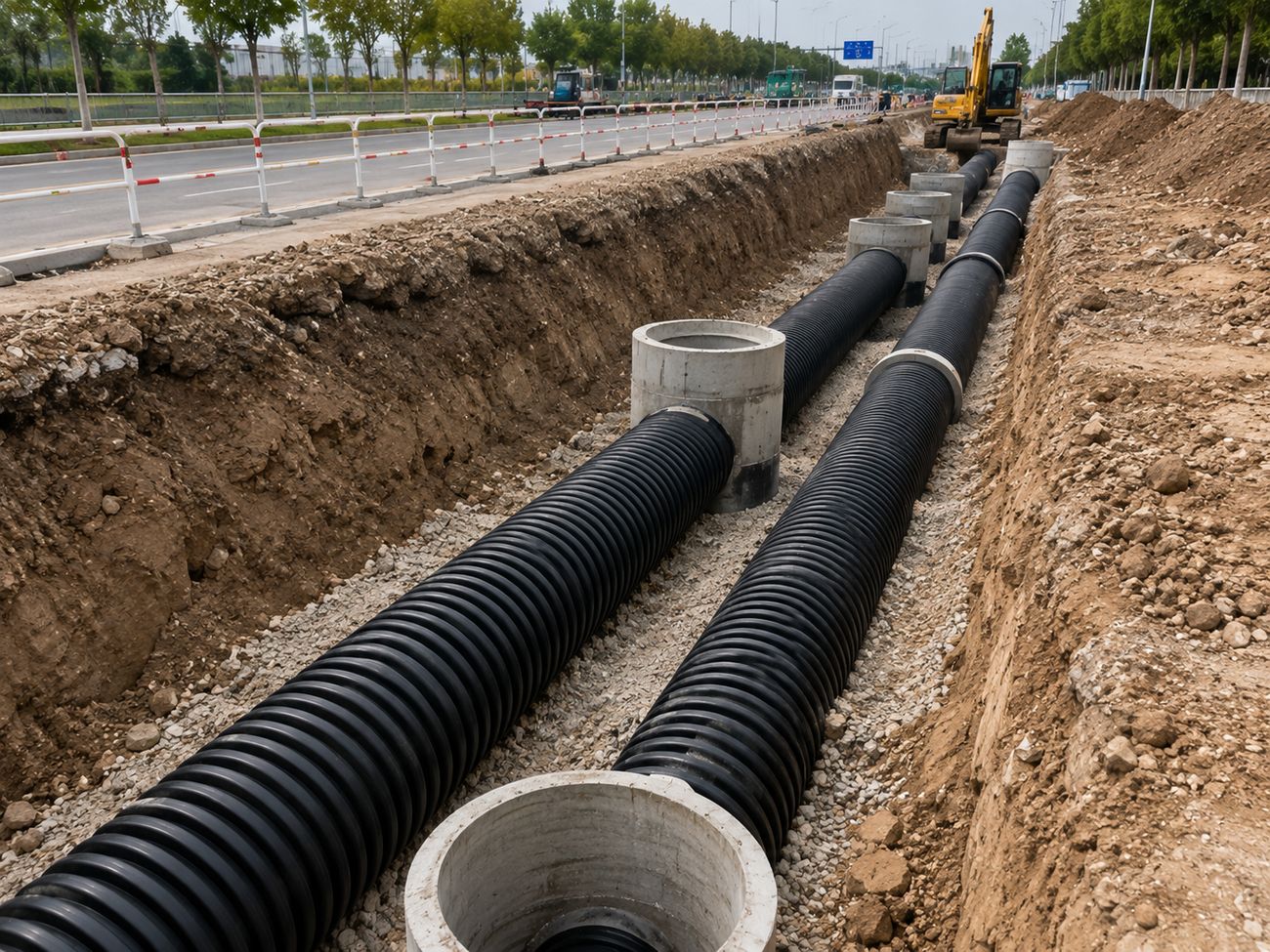
HDPE pipes play a pivotal role in municipal sewage systems due to their robustness and resistance to harsh environments. Their corrugated design offers superior strength and flexibility, making them reliable for managing sewage and wastewater. For instance, cities like San Francisco have successfully integrated HDPE into their wastewater management to enhance efficiency and system longevity. Moreover, statistics reveal that HDPE can significantly reduce operational disruptions; a study highlighted its ability to lower leakage rates by 75%, improving overall system performance. With these features, HDPE pipes are indispensable for effective sewage management in urban infrastructure.
Stormwater Drainage Systems in Urban Areas
Urban stormwater management poses unique challenges, but HDPE pipes offer efficient solutions to tackle them. Their capacity to withstand intense pressure and resist corrosion makes them ideal for handling urban runoff. For example, Chicago has implemented HDPE pipes to address frequent flooding issues, leading to a 40% reduction in flood incidents over five years. Case studies have shown that HDPE pipes enhance urban drainage performance, providing efficient water conveyance and minimizing infrastructure damage during heavy rains. These benefits underscore HDPE's role in improving urban water management.
Agricultural Irrigation and Land Drainage
HDPE pipes significantly impact agricultural irrigation and land drainage, promoting water conservation and efficient irrigation. Their chemical resistance and durability help farmers utilize water resources optimally, resulting in improved crop yields. Data indicates that HDPE pipes can increase water use efficiency by 30%, benefiting agricultural practices across various regions. Farmers in areas like California have reported enhanced irrigation systems and reduced maintenance costs after switching to HDPE pipes. These examples demonstrate the pipes' contribution to sustainable water management in agriculture, ensuring long-term productivity and soil health.
FAQ
What are the main benefits of HDPE pipes over traditional materials? HDPE pipes offer superior corrosion, chemical resistance, increased durability, flexibility, and ease of installation compared to traditional materials like concrete and clay.
Where can HDPE pipes be used in infrastructure projects? HDPE pipes are used in various sectors such as municipal sewage systems, urban stormwater drainage, and agricultural irrigation due to their strength and versatility.
Are HDPE pipes environmentally friendly? Yes, HDPE pipes are eco-friendly due to their efficient manufacturing process and recyclability, contributing to lower emissions and reduced carbon footprint in construction projects.
How does the design of HDPE double wall corrugated pipes enhance performance? The dual-layer structure with a smooth inner wall and a corrugated outer wall ensures efficient liquid transport, structural integrity, and long-term reliability.
Related images
Have a project question about this topic?
Share your project requirements and our team will help you select a suitable solution.