
HDPE & PE100-RC
pipe systems.
Solutions for water, gas, irrigation, mining, dredging, drainage, fish farming and demanding buried installations.
PRESSURE & INFRASTRUCTURE
Built for demanding
ground conditions.
PE100-RC and HDPE systems combine corrosion resistance, flexibility and fusion-jointed reliability for long-term project performance.
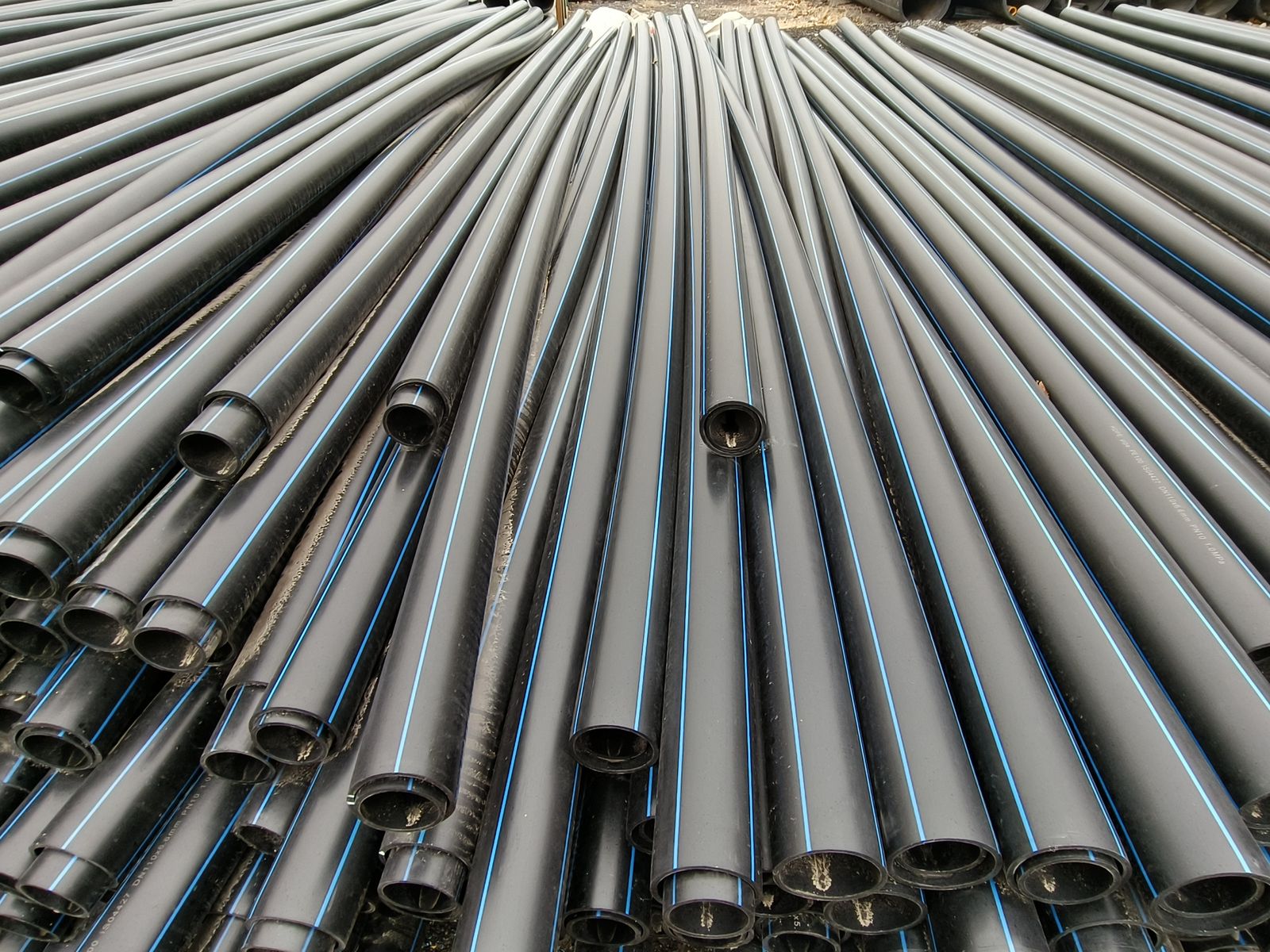
PE100-RC Pipe
Product overview, application support and specifications are available from our team.
Request details →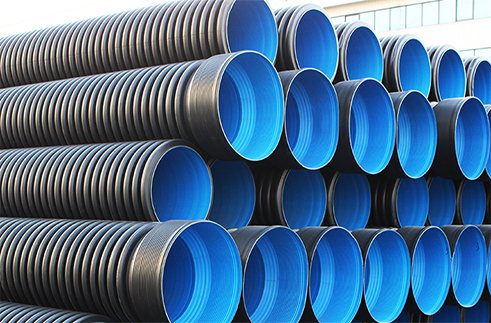
HDPE Double Wall Corrugated Pipe
Product overview, application support and specifications are available from our team.
Watch product video ↗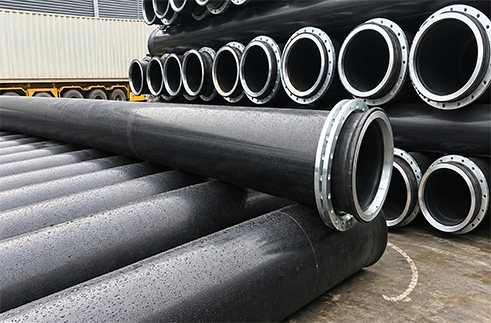
HDPE Dredging Pipe
Product overview, application support and specifications are available from our team.
Request details →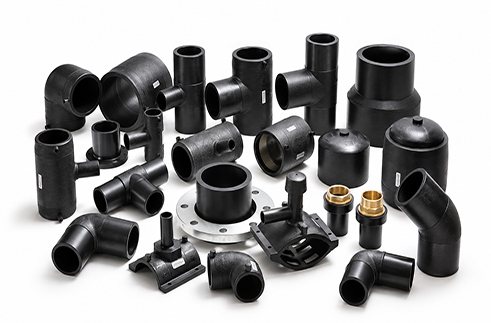
HDPE Fittings
Product overview, application support and specifications are available from our team.
Watch product video ↗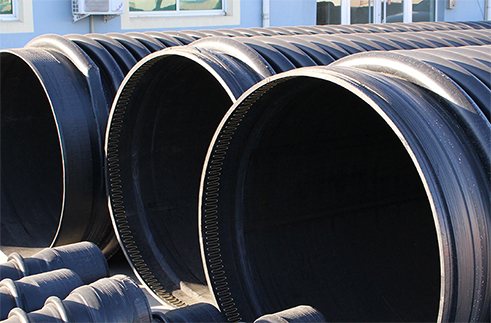
HDPE Krah Pipe
Product overview, application support and specifications are available from our team.
Watch product video ↗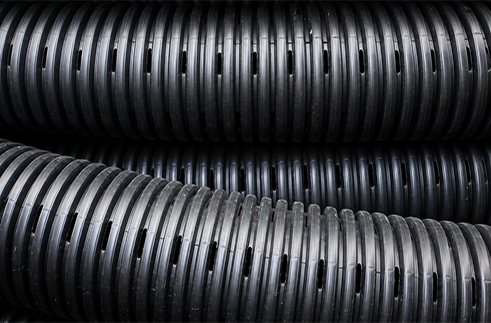
Hdpe Perforated Drainage Pipe
Product overview, application support and specifications are available from our team.
Watch product video ↗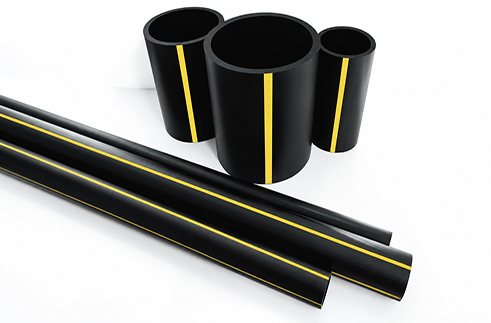
HDPE Pipe for Gas Supply
Product overview, application support and specifications are available from our team.
Watch product video ↗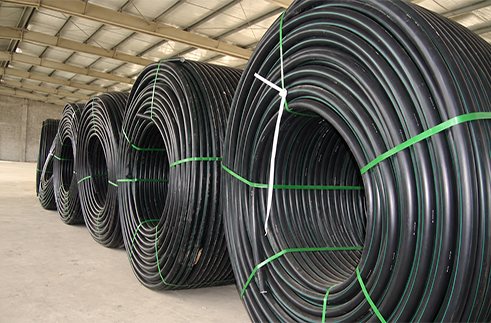
HDPE Pipe for Irrigation
Product overview, application support and specifications are available from our team.
Watch product video ↗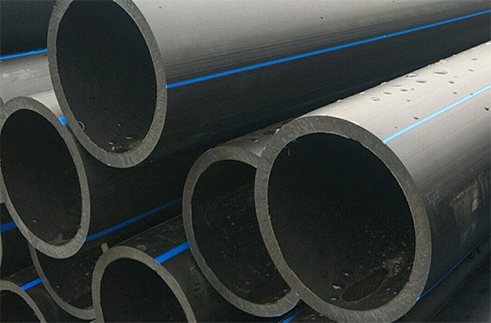
HDPE Pipe for Water Supply
Product overview, application support and specifications are available from our team.
Watch product video ↗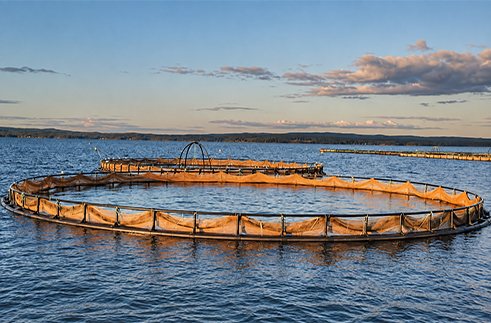
HDPE Round Fish Cage
Product overview, application support and specifications are available from our team.
Request details →
HDPE Square Fish Cage
Product overview, application support and specifications are available from our team.
Watch product video ↗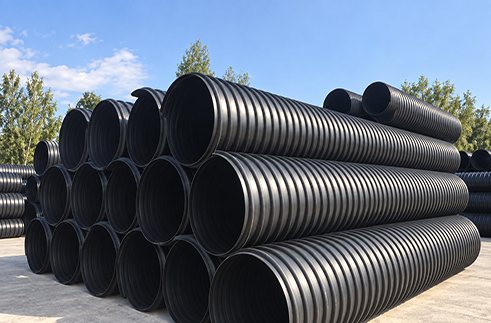
Steel Belt HDPE Double Wall Corrugated Pipe
Product overview, application support and specifications are available from our team.
Watch product video ↗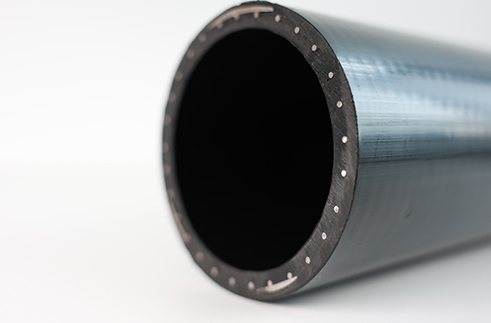
Steel Skeleton Polyethylene Plastic Composite Pipe
Product overview, application support and specifications are available from our team.
Watch product video ↗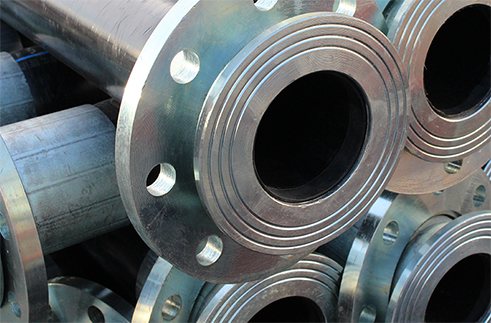
Steel wire reinforced HDPE pipe
Product overview, application support and specifications are available from our team.
Watch product video ↗PRODUCT & PROJECT PHOTOS
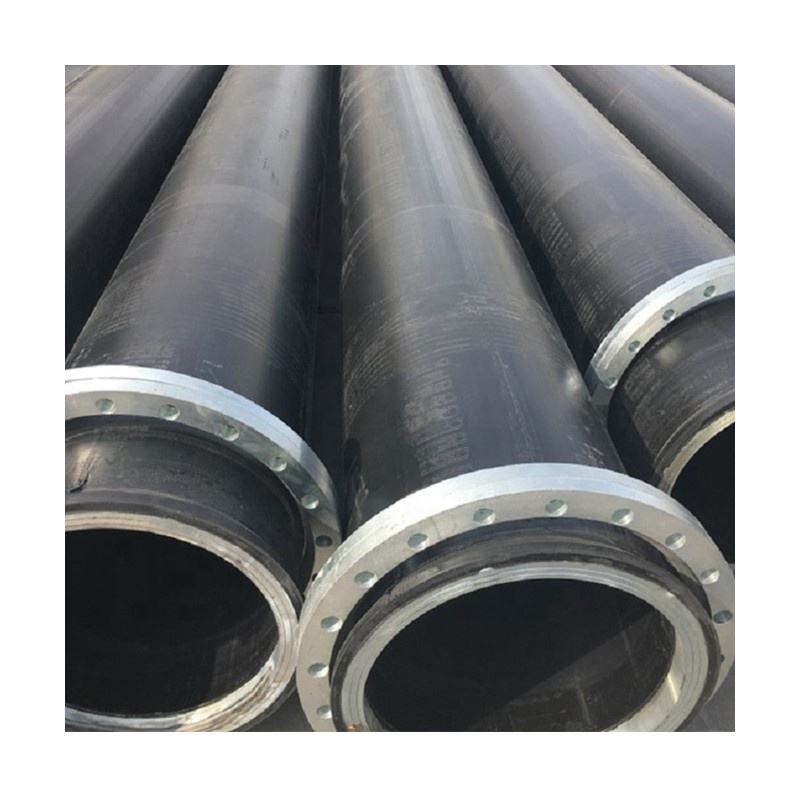
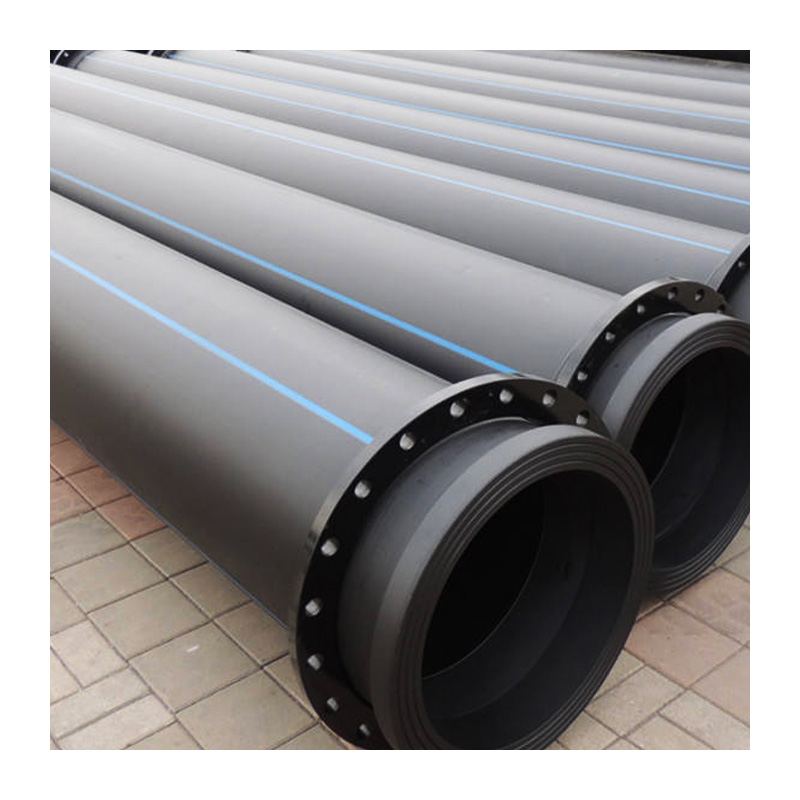
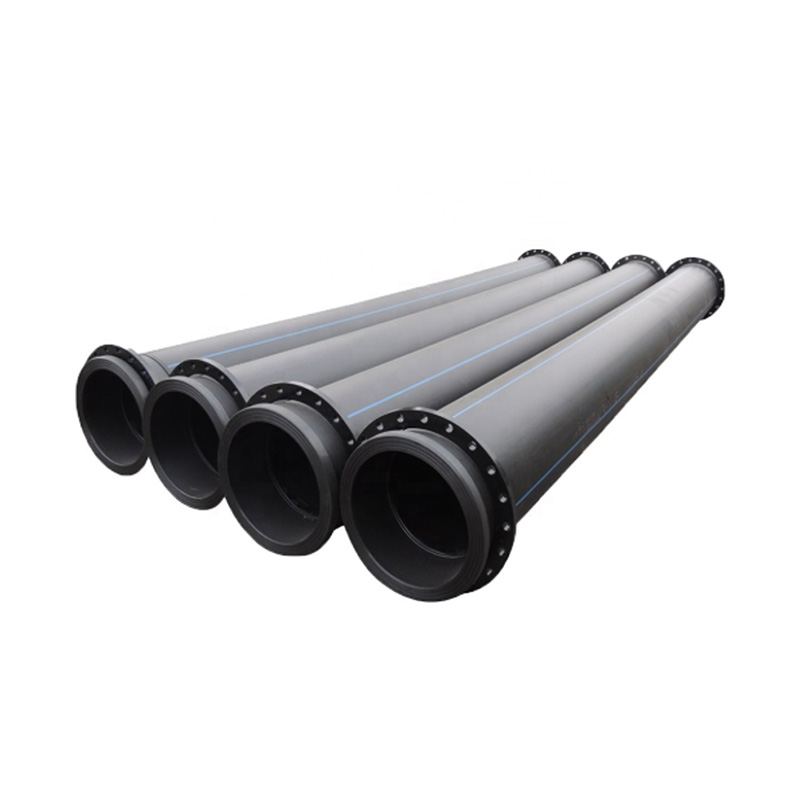
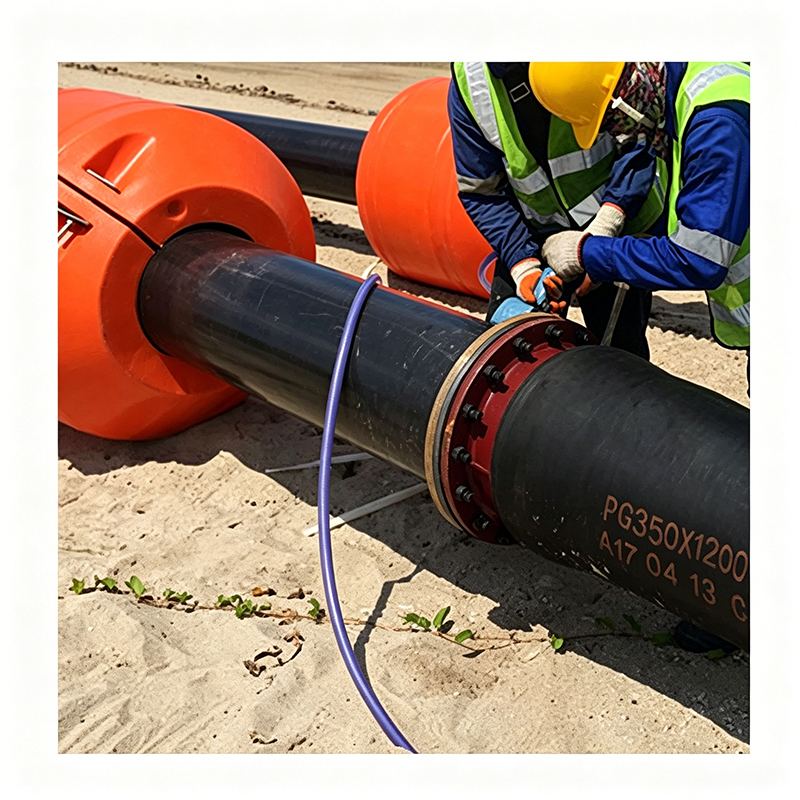
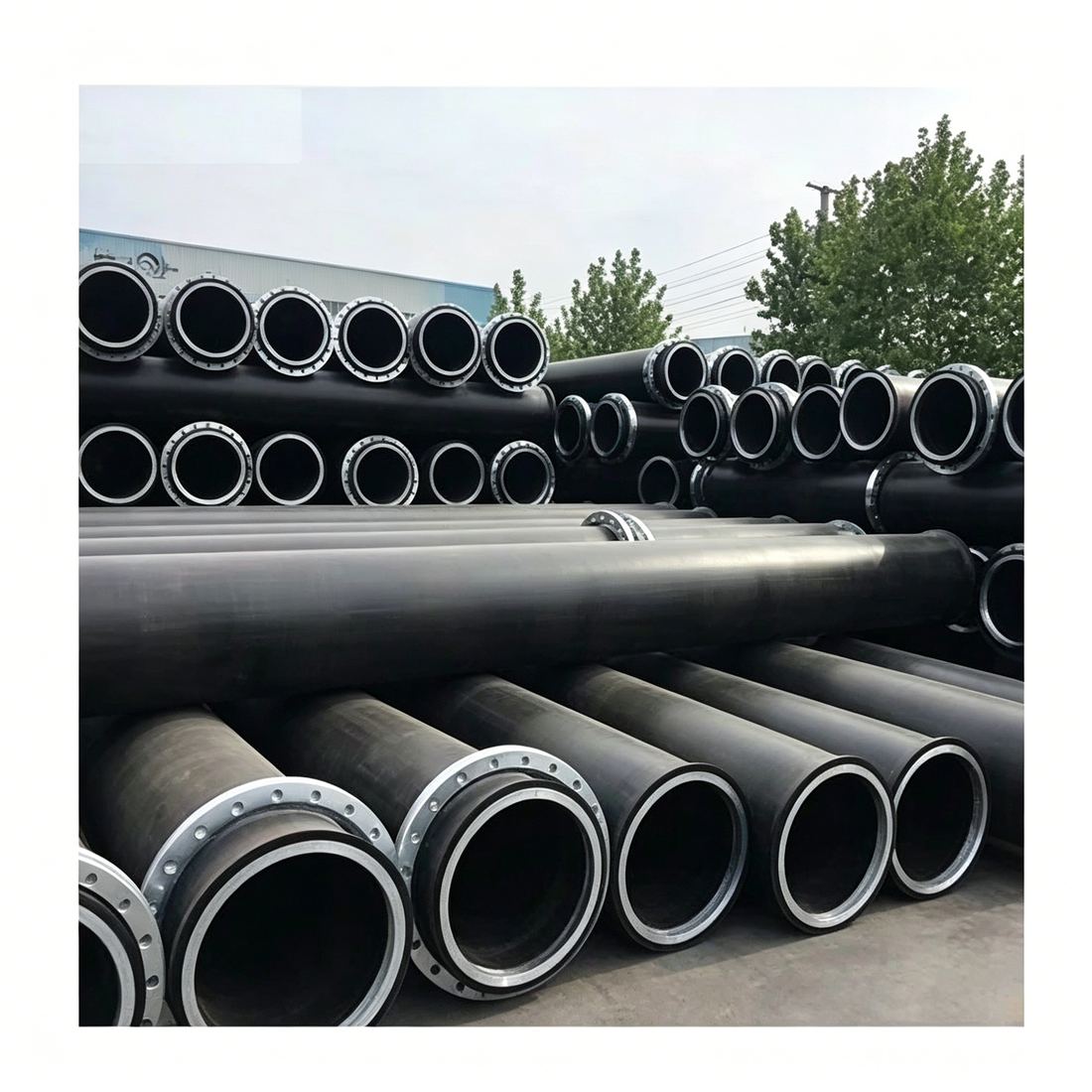
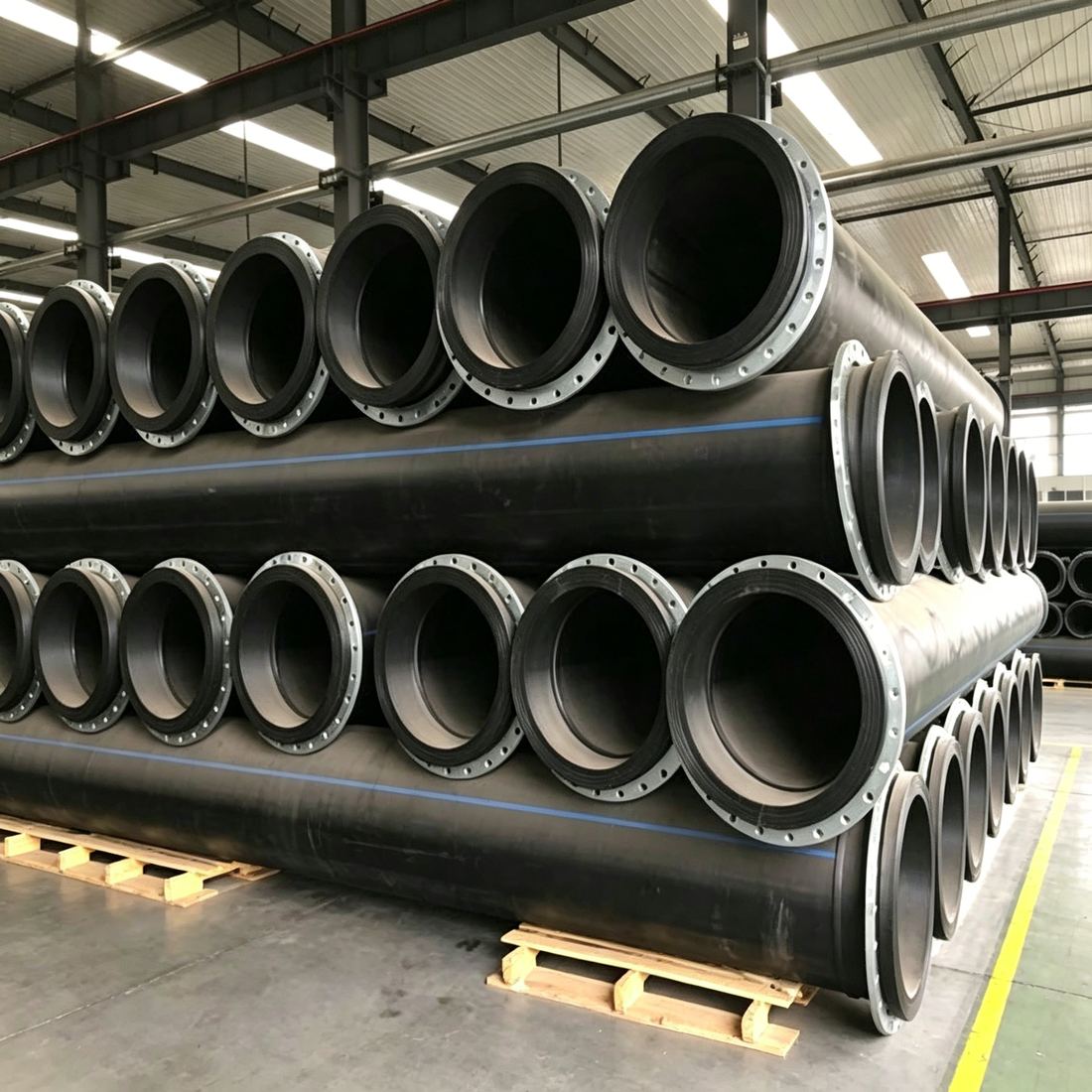
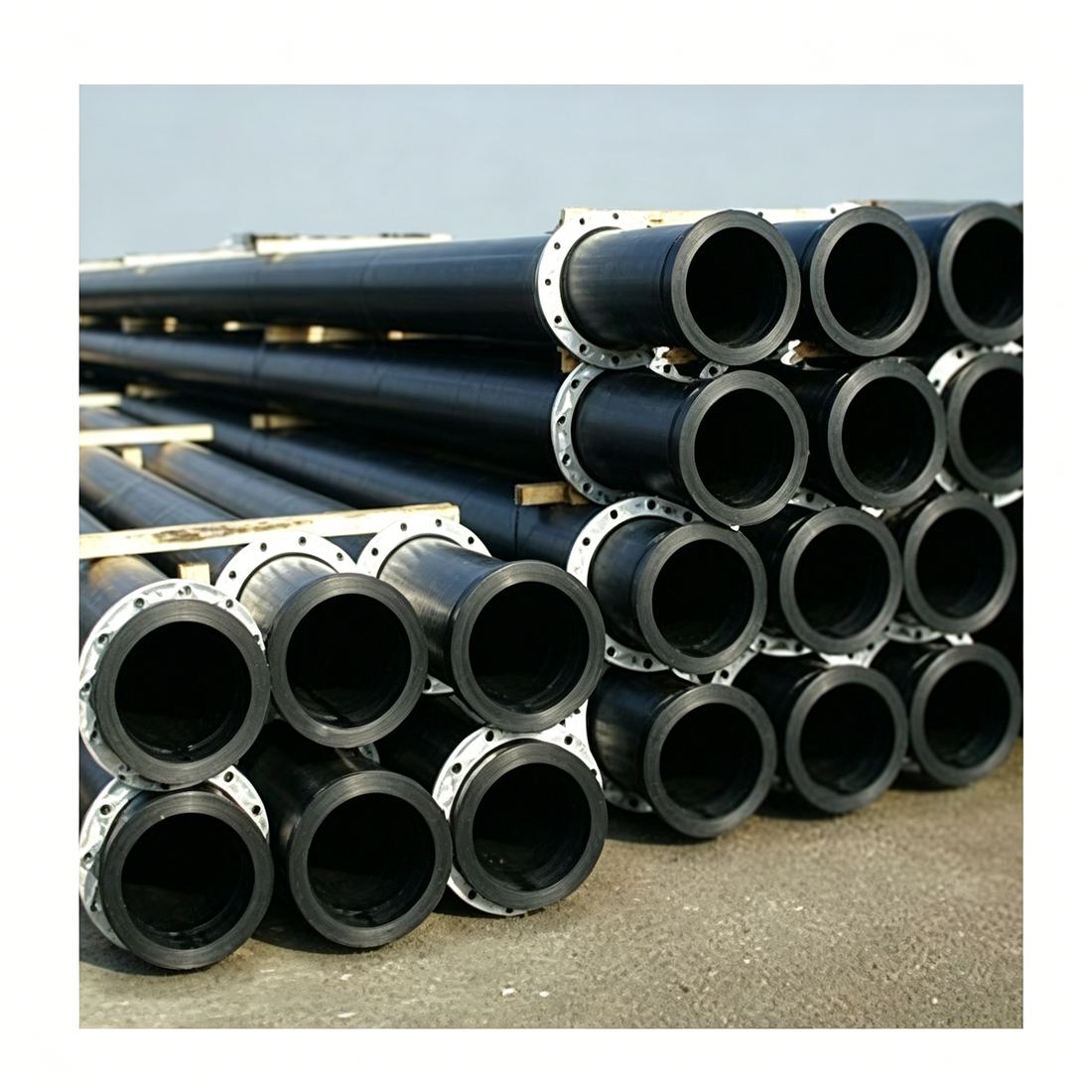
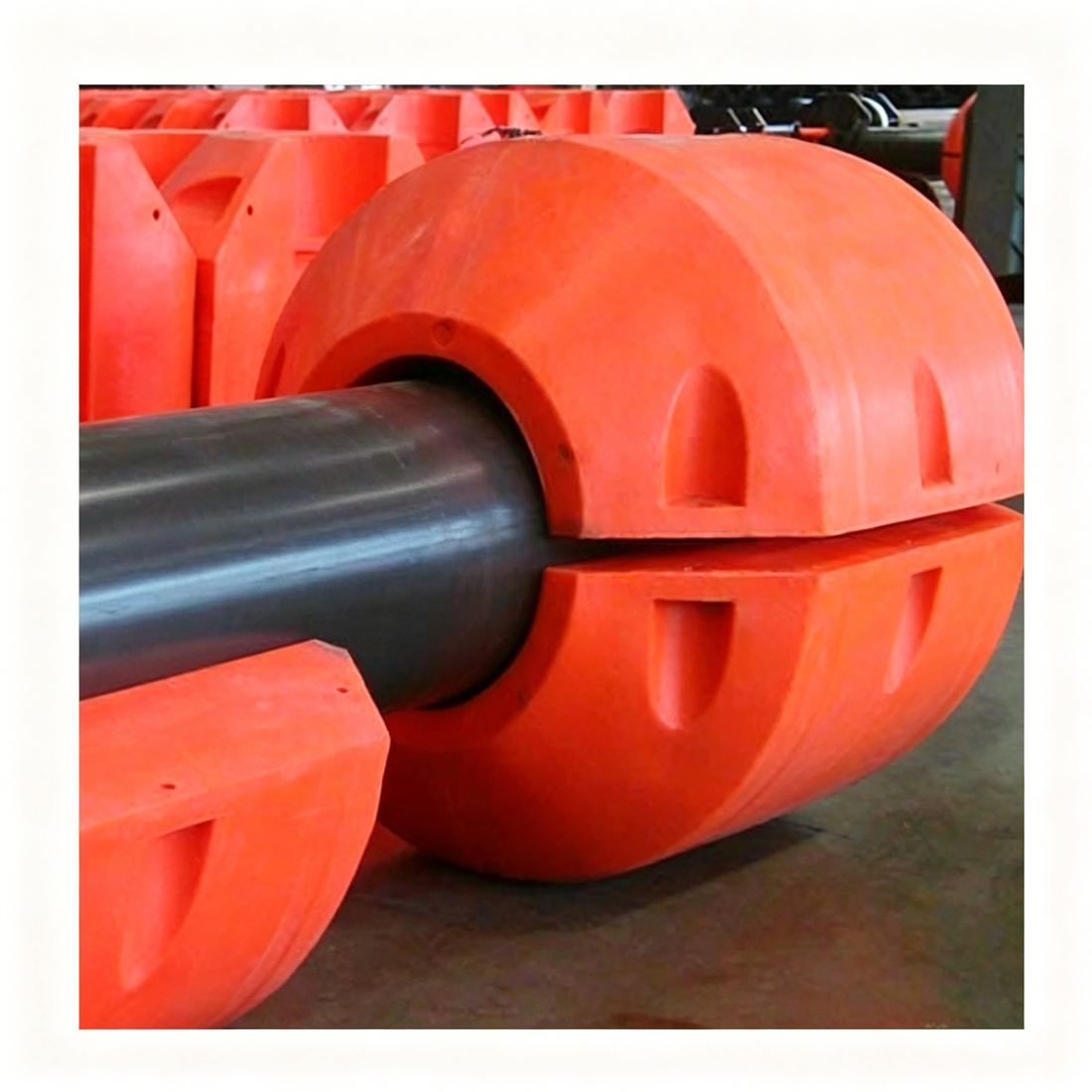
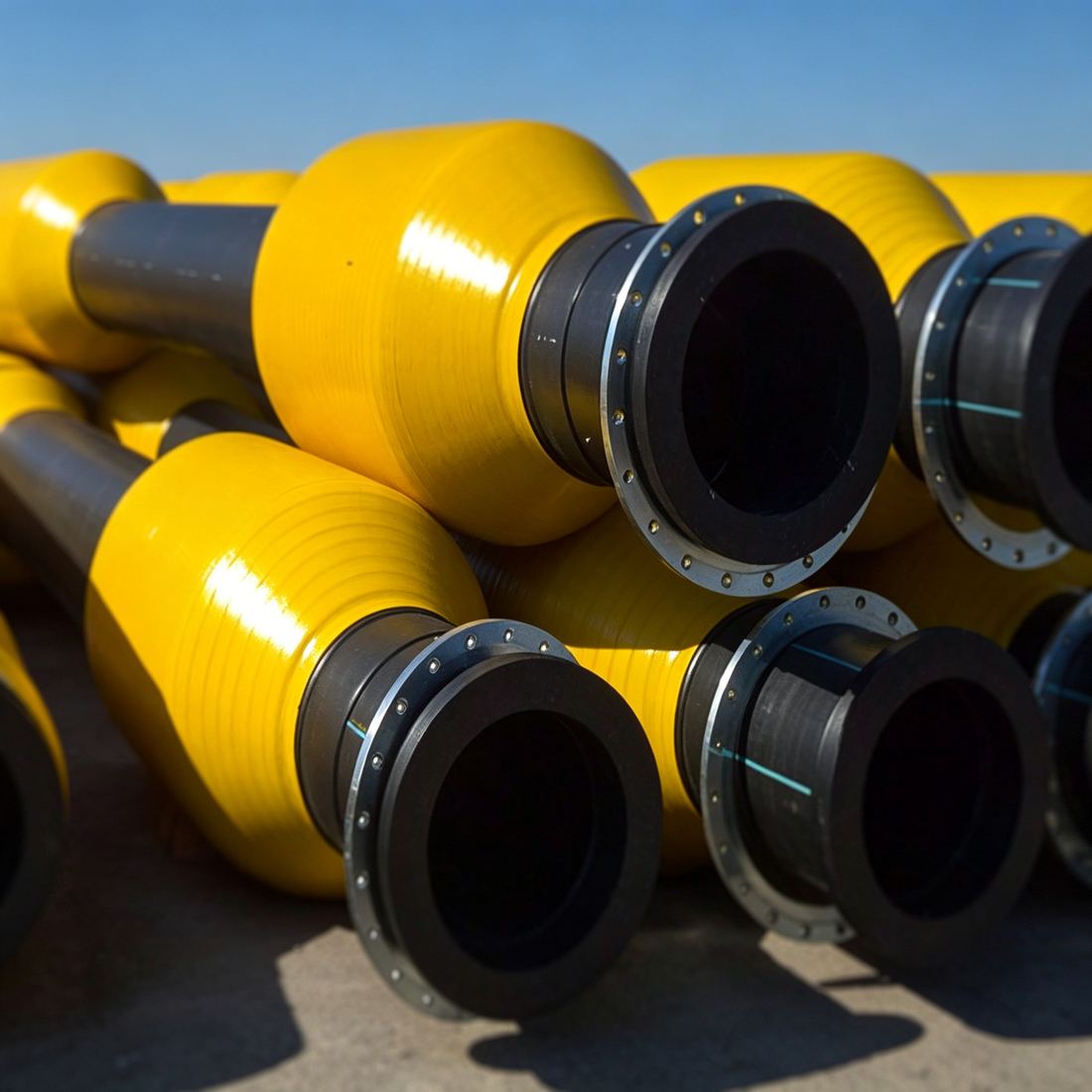
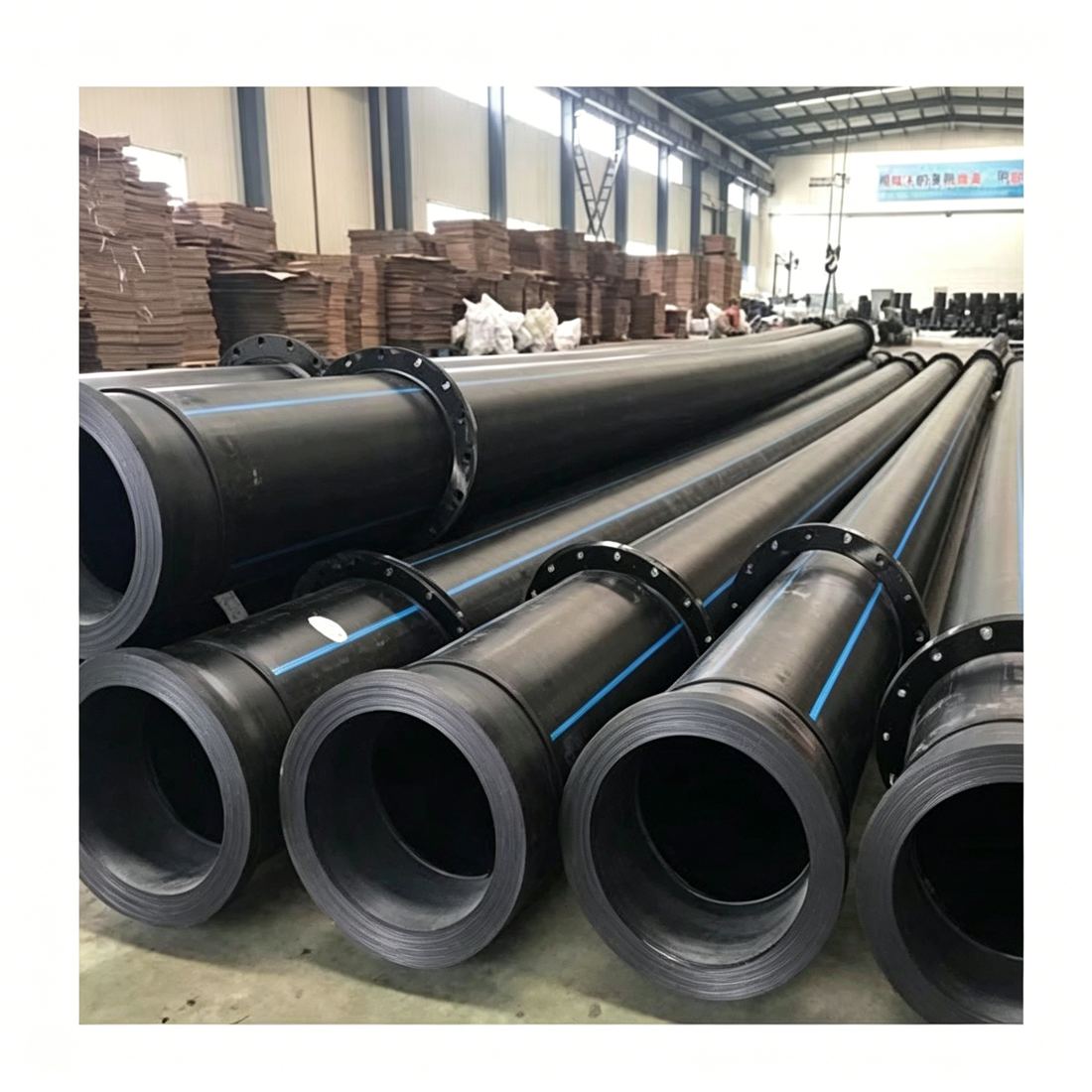
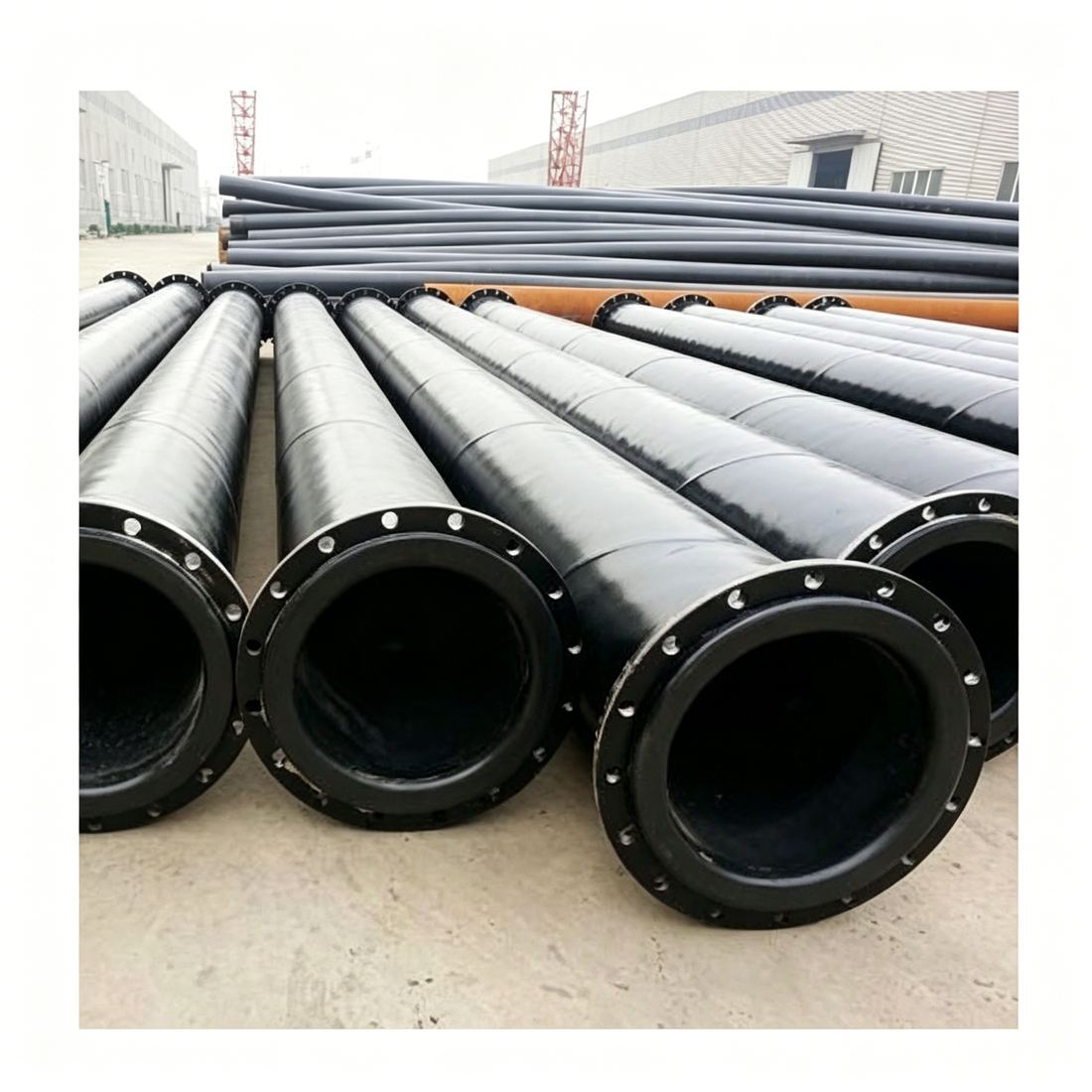
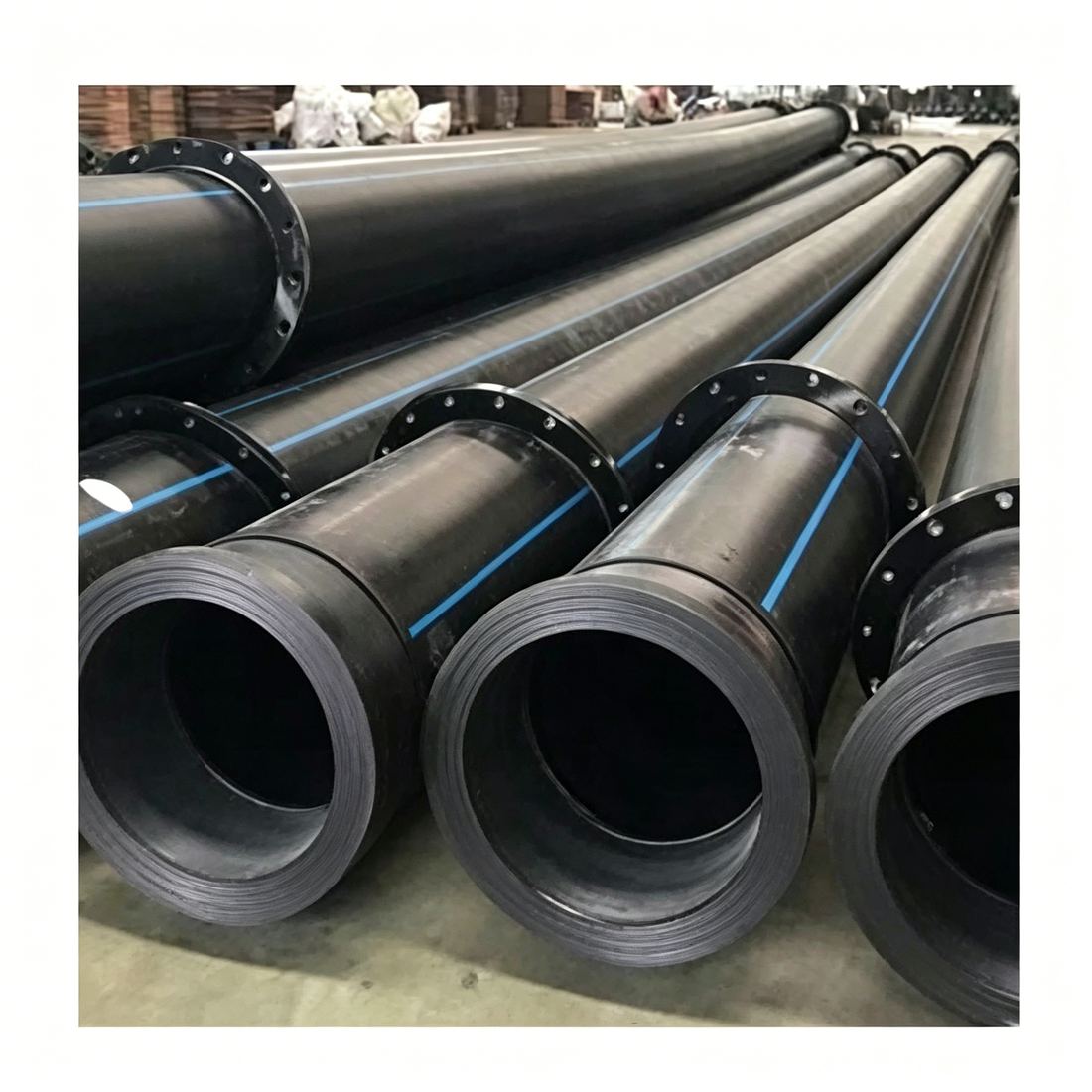
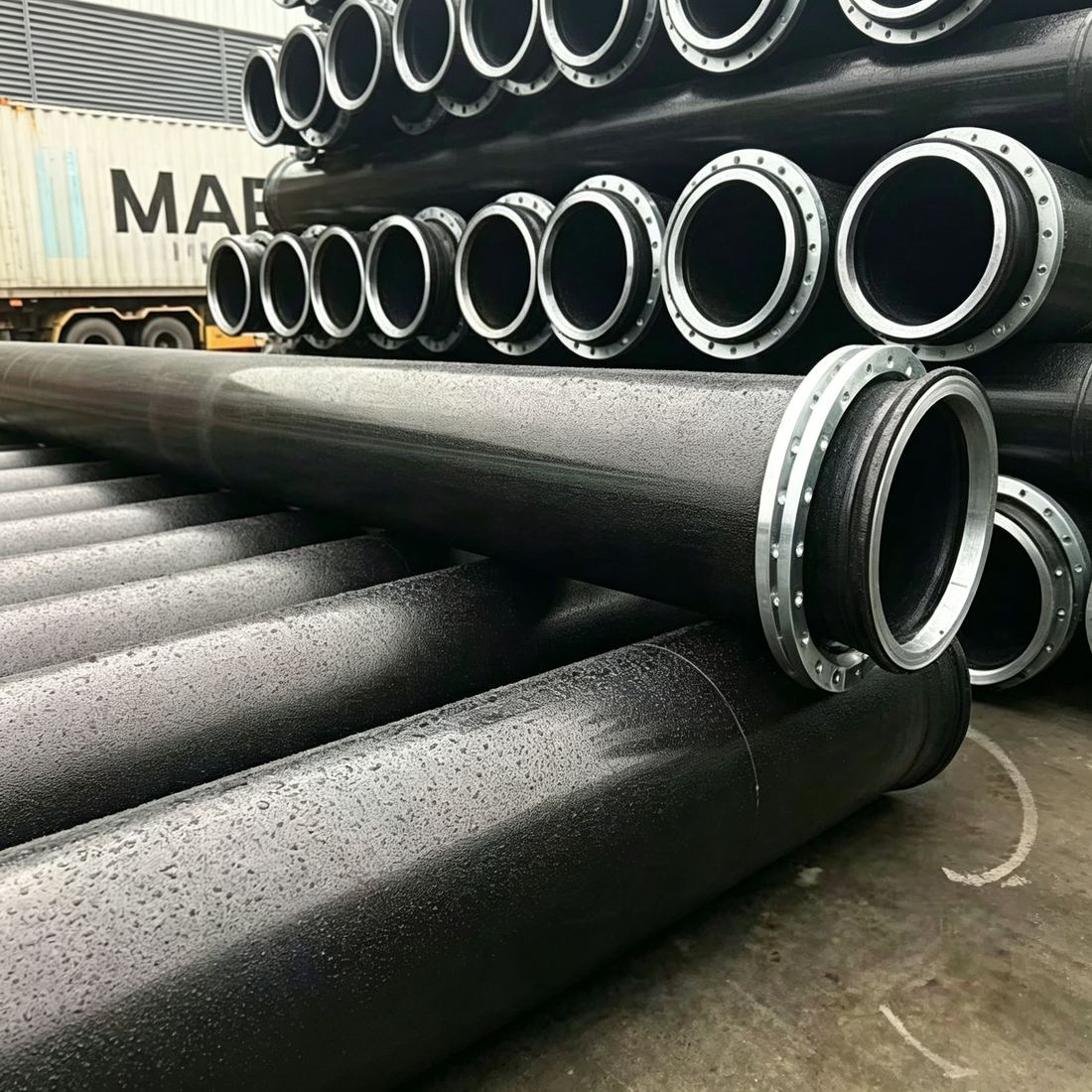
HDPE dredging pipe
Product and project imagery for closer review of construction and application details.
PRODUCT & PROJECT PHOTOS
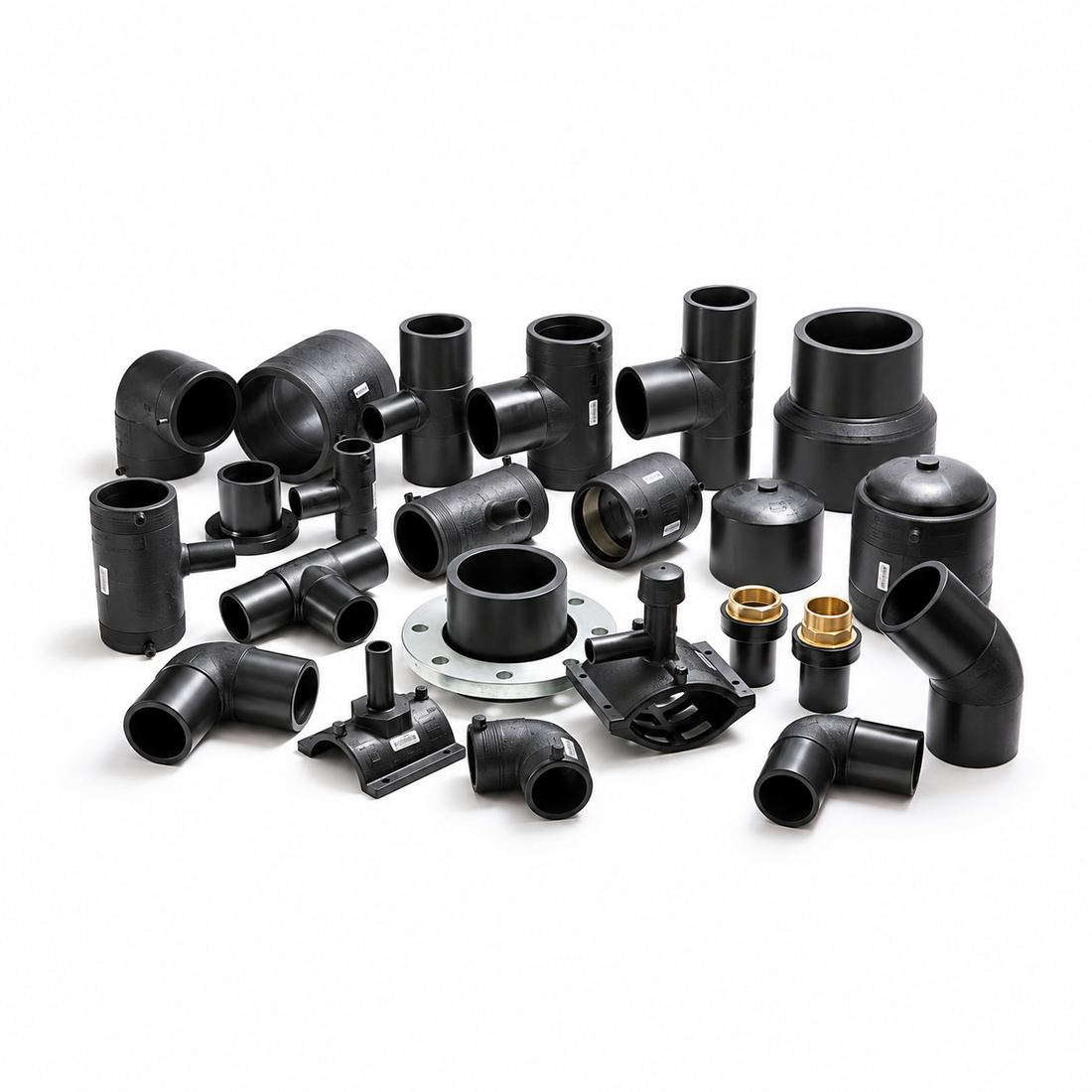
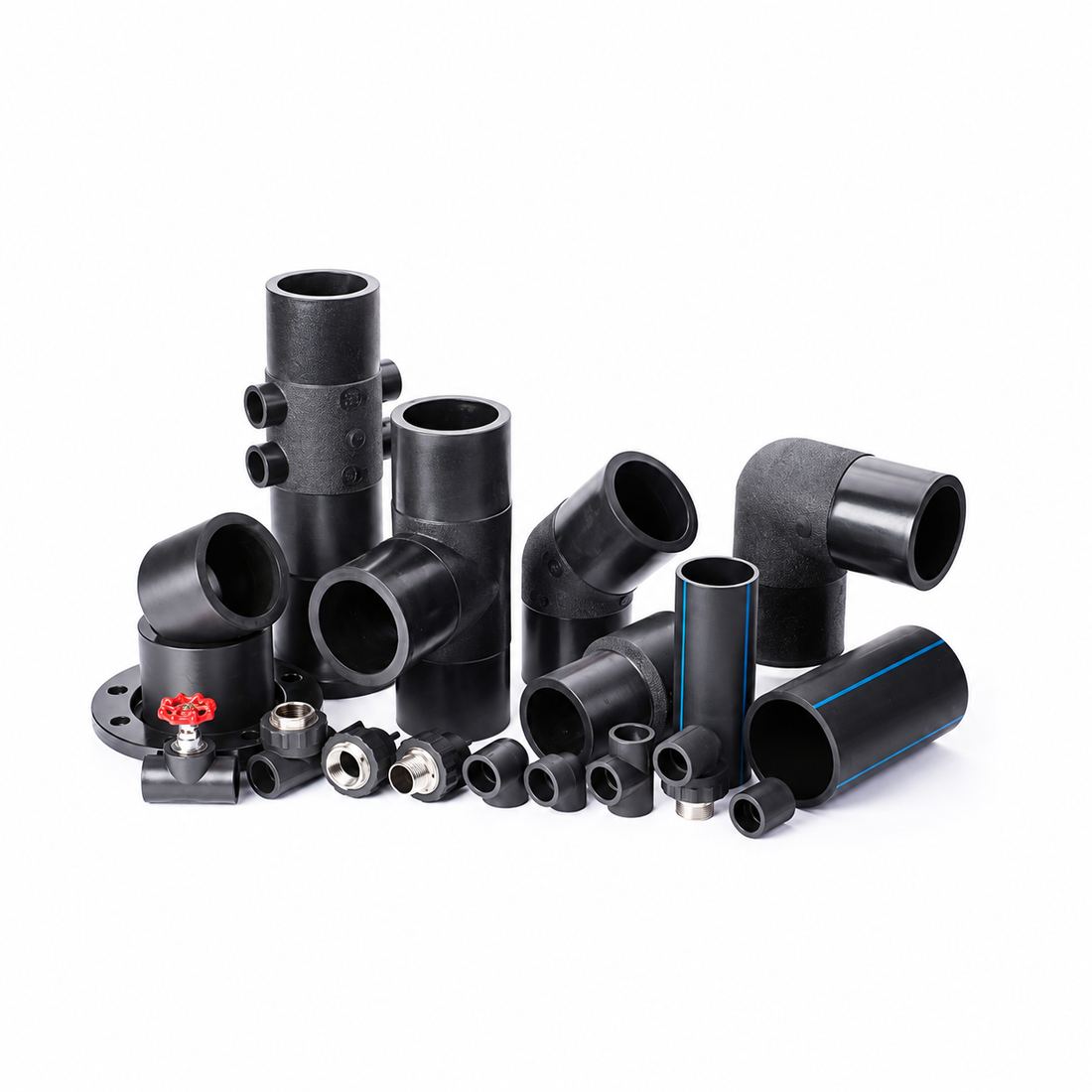
fittings
Product and project imagery for closer review of construction and application details.
PRODUCT & PROJECT PHOTOS
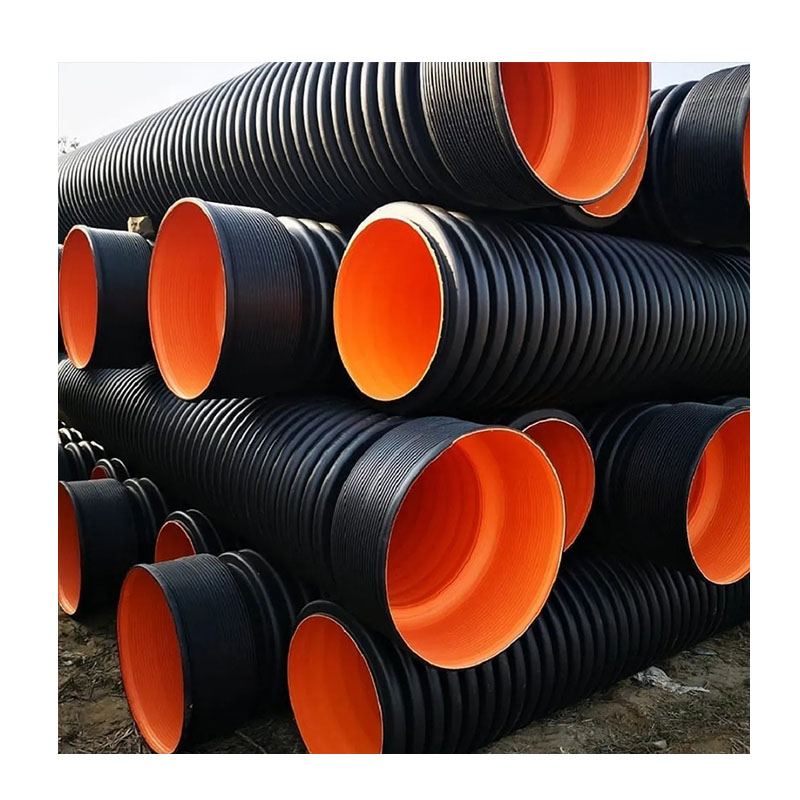
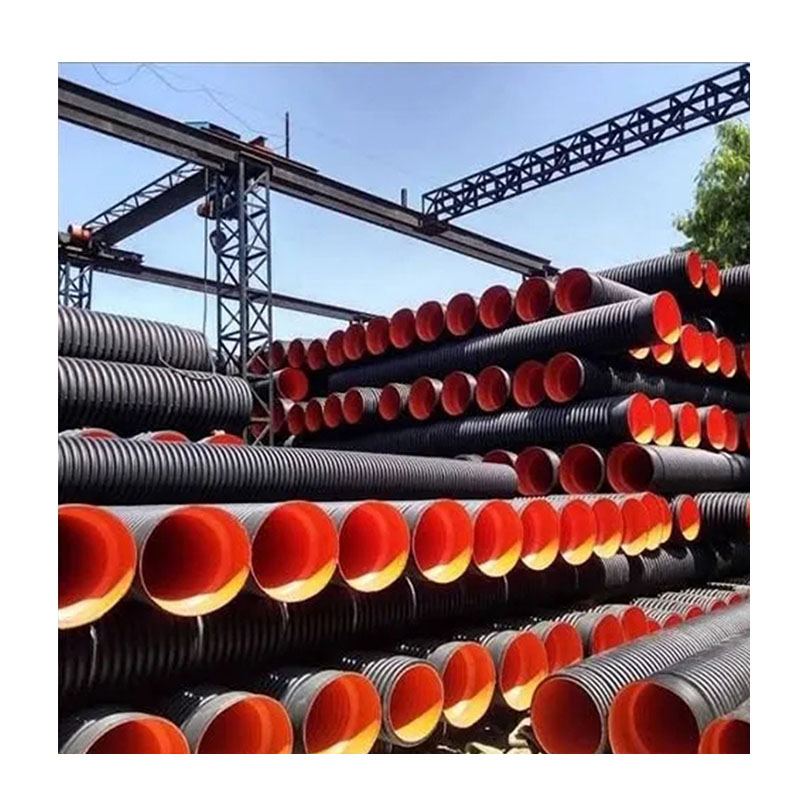
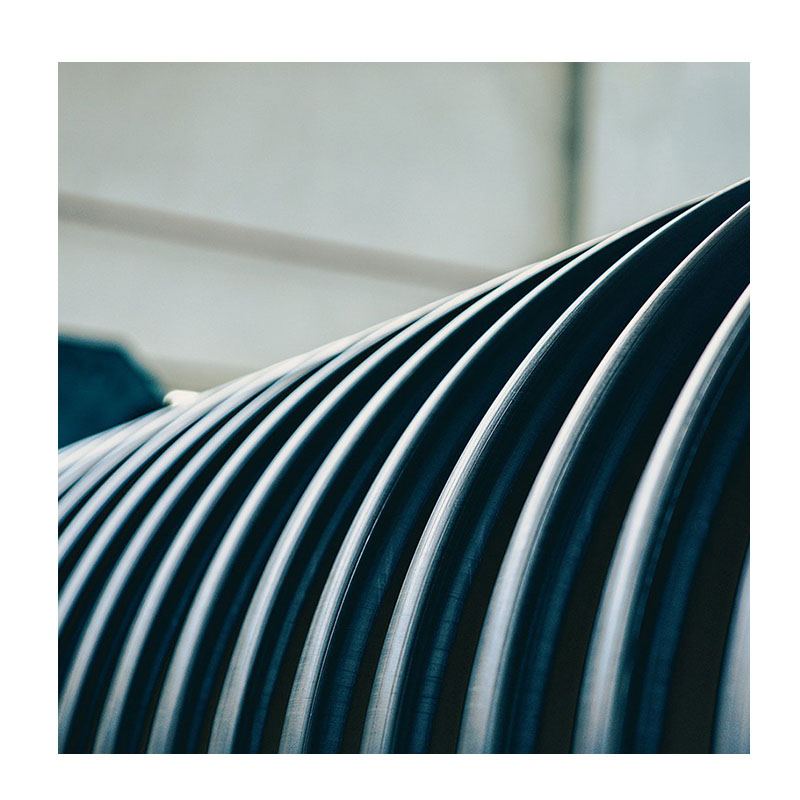
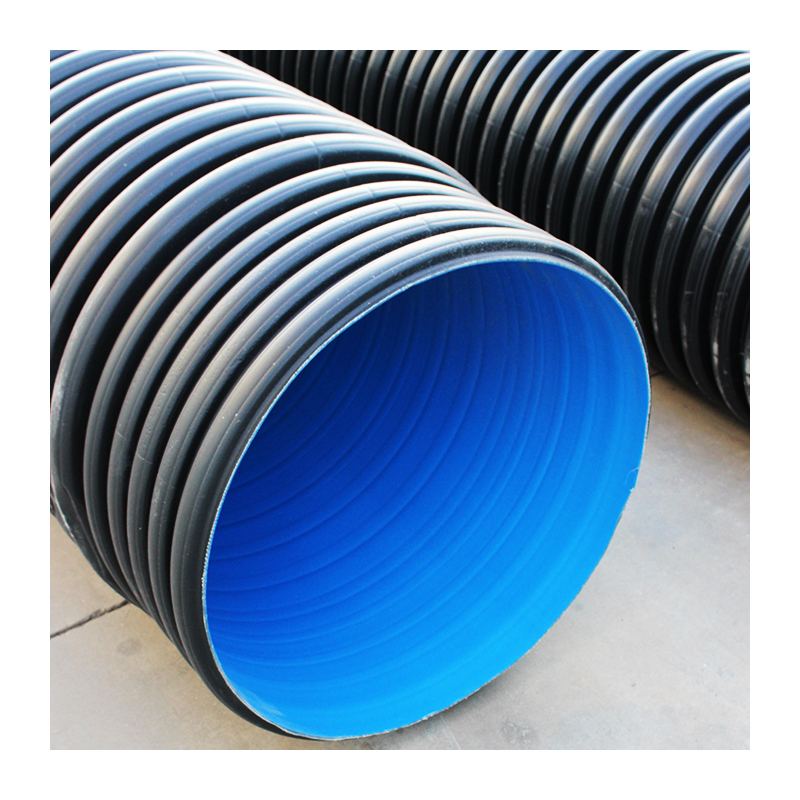
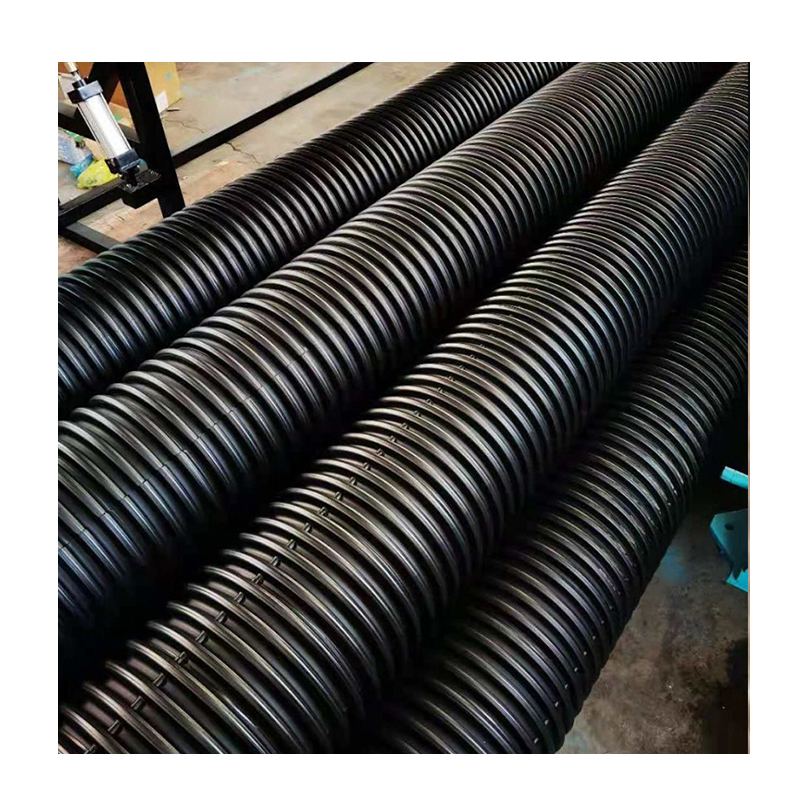
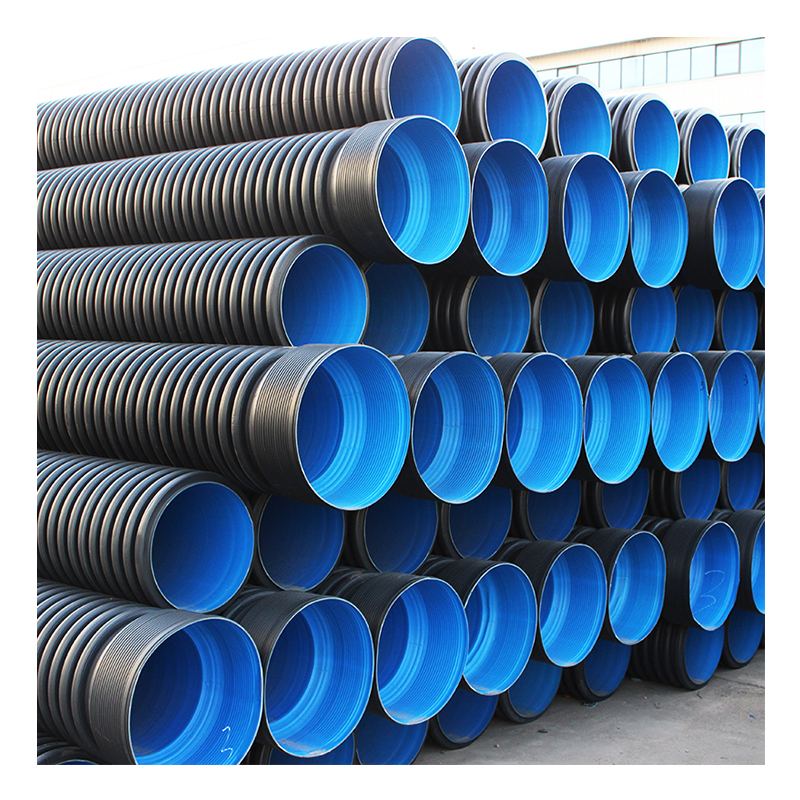
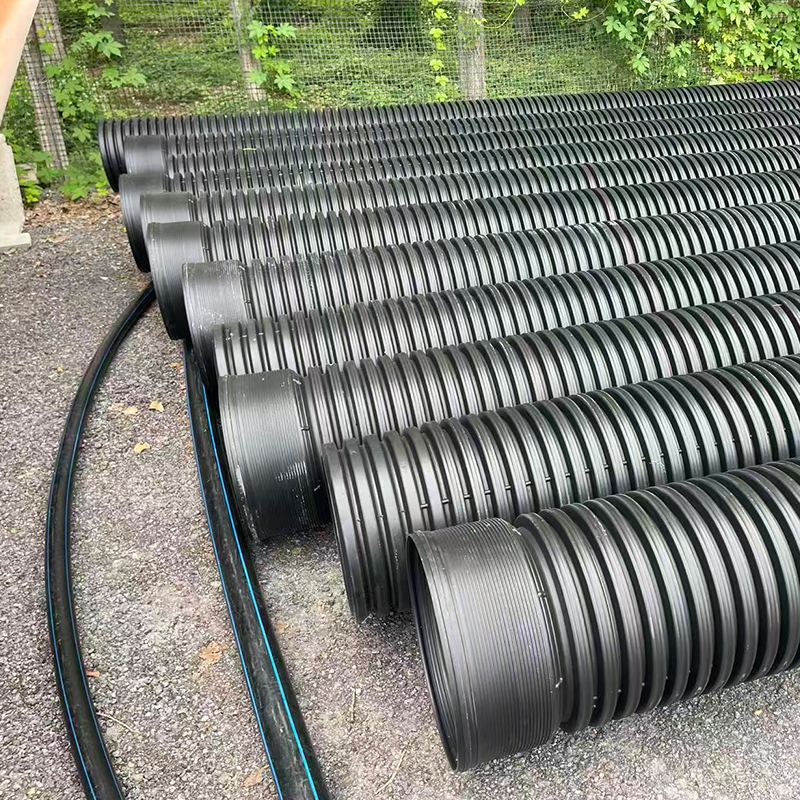
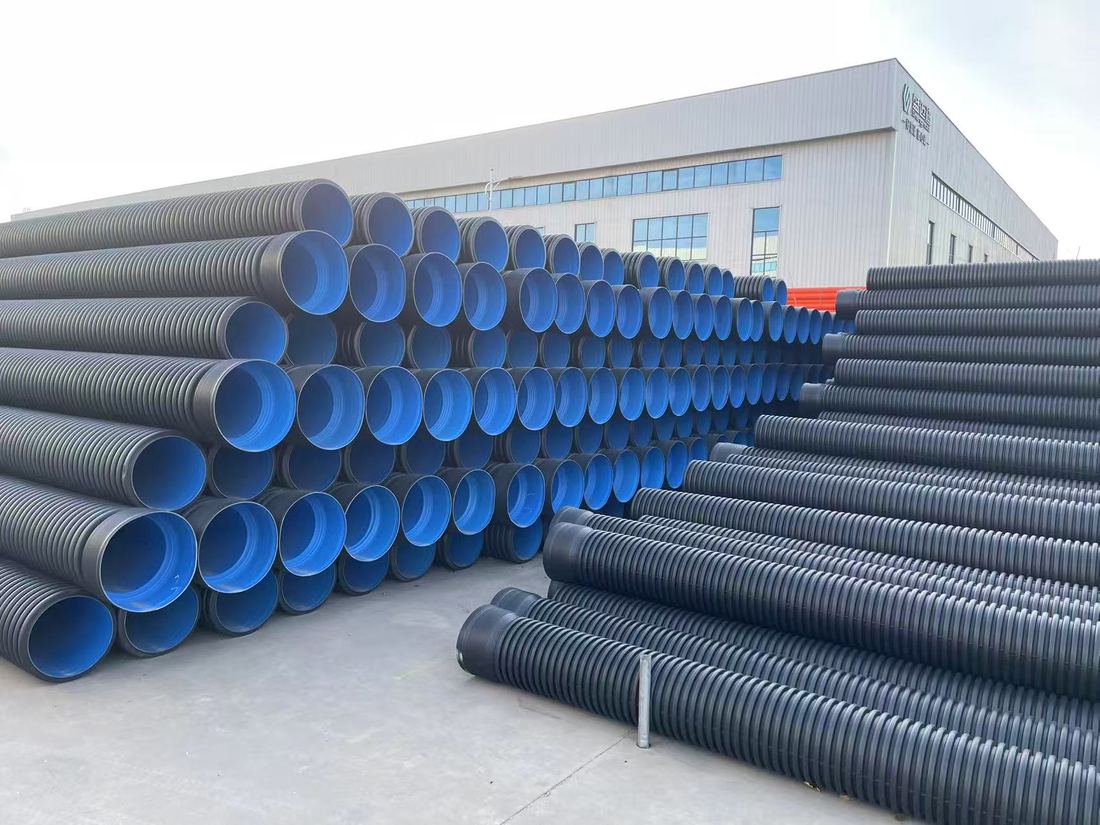
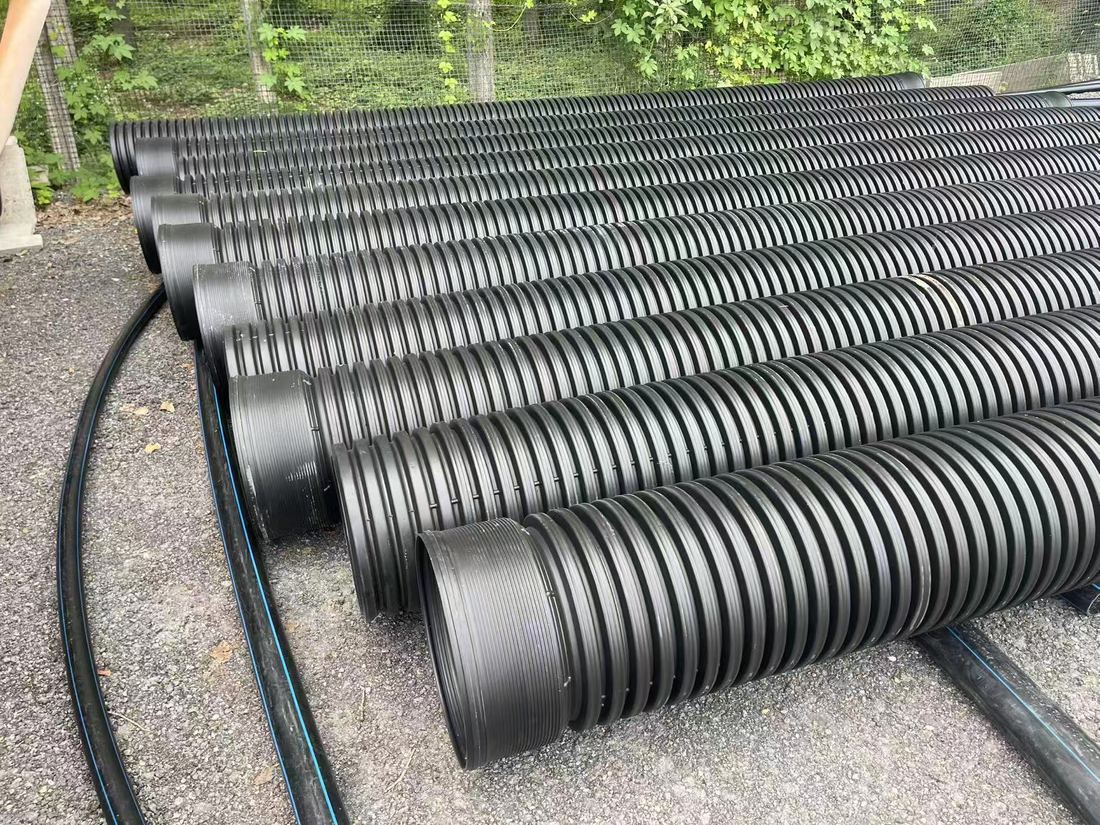
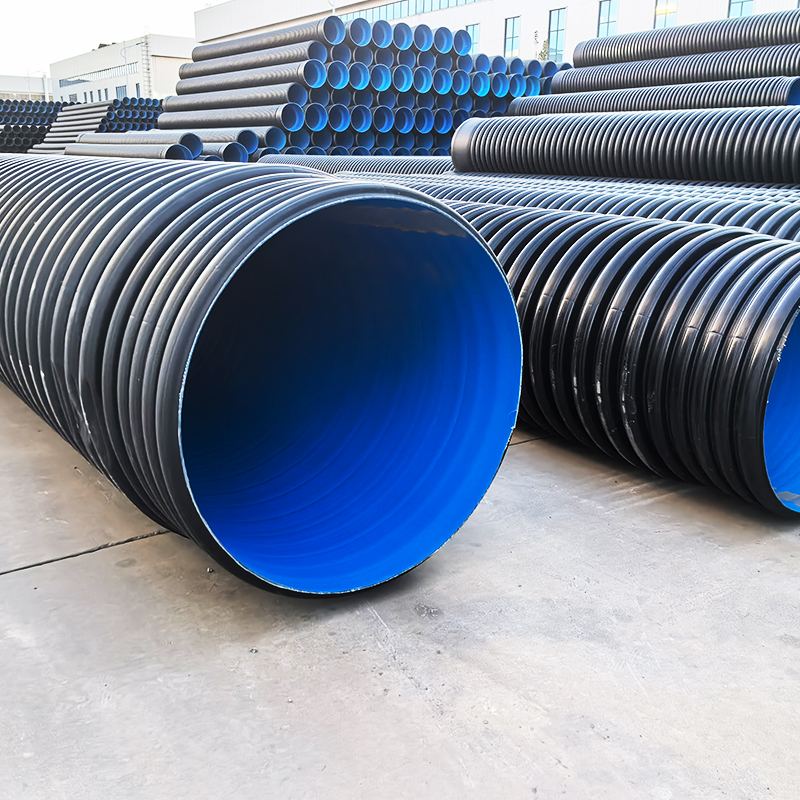
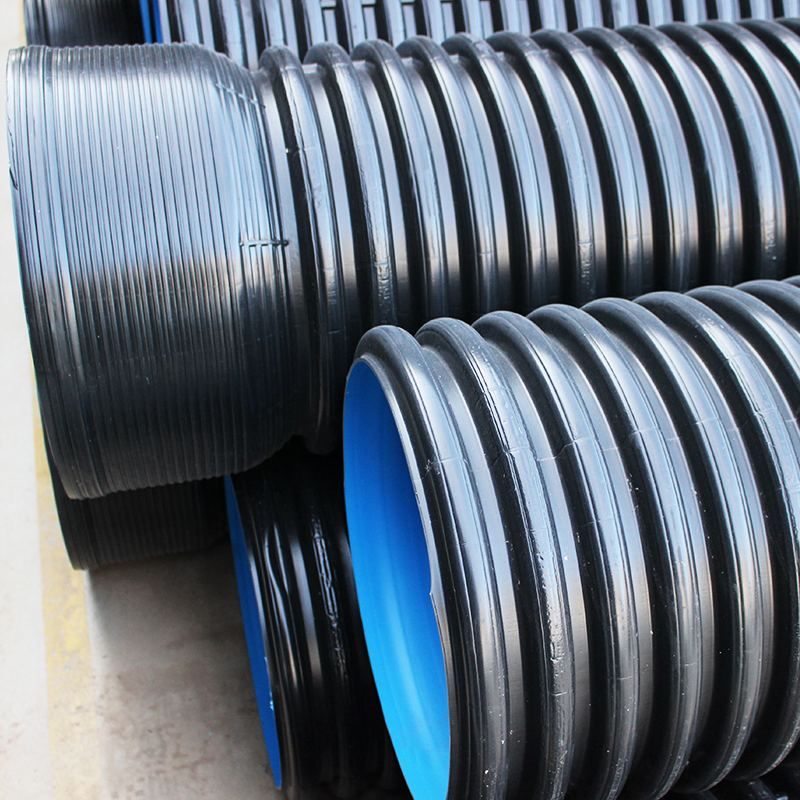
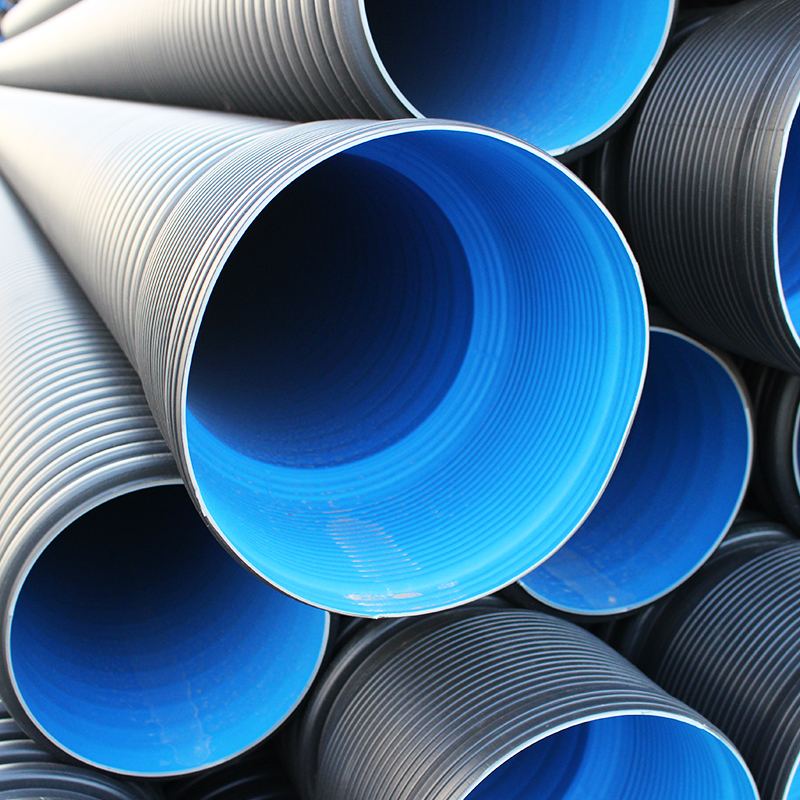
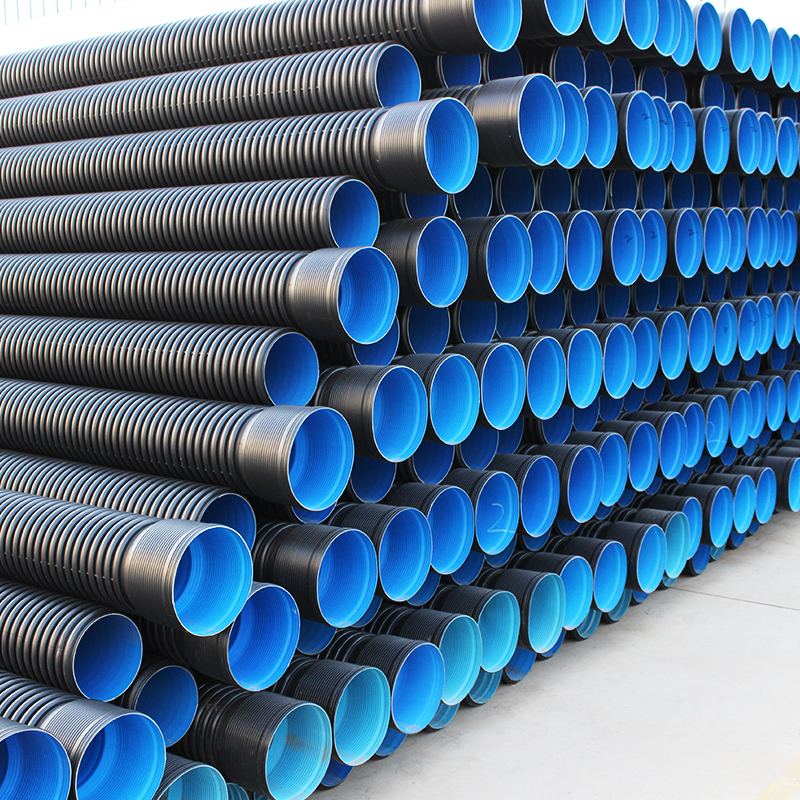
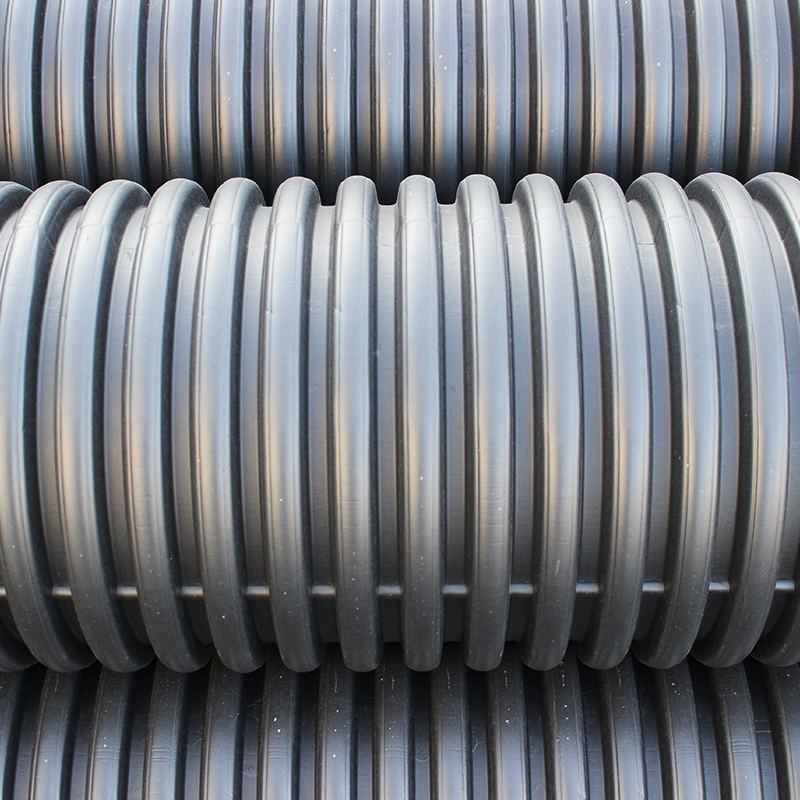
HDPE double wall corrugated pipe
Product and project imagery for closer review of construction and application details.
PROJECT CASE
HDPE Double-Wall Corrugated Pipe in a U.S. Highway Interchange Stormwater Drainage Project
Background
In 2020, a major highway interchange in the southeastern United States underwent a full reconstruction. The interchange handled over 50,000 vehicles per day and was a critical node in the regional transportation network. The project required a completely new stormwater drainage system to be built within a tight schedule while minimizing disruption to existing traffic.
The Problem
The original design specified reinforced concrete pipe (RCP), but the project faced two major challenges. First, the construction staging area was extremely confined—material storage was limited almost entirely to the footprint of the old interchange. Concrete pipe is heavy and requires significant storage space, making it difficult to manage on such a tight site. Second, with a compressed construction timeline, concrete pipe would need to be delivered in large batches and stored on-site, creating logistical delays that could derail the entire schedule and prolong traffic disruptions.
The Solution
The contractor evaluated the options and decided to switch to HDPE double-wall corrugated pipe. The pipe features a corrugated exterior for structural strength and a smooth interior wall for excellent hydraulic performance. In total, over 41,000 feet (about 12.5 km) of HDPE pipe was used, with diameters ranging from 12 to 48 inches—fully meeting the drainage requirements of the mainline and ramps.
The lightweight nature of HDPE solved the site logistics problem. The pipe can be nested for transport and handled on-site with smaller equipment, allowing just-in-time delivery with no need for large storage areas. Installation used push-together bell-and-spigot joints, providing reliable watertight connections and much faster construction than concrete pipe.
The Results
Twice the installation speed – HDPE pipe was installed roughly twice as fast as reinforced concrete pipe would have been. Sections that would have taken weeks with concrete were completed in half the time, significantly shortening lane closure windows.
Lower total installed cost – Combining material, transportation, equipment rental, labor, and site management, the total installed cost of the HDPE system was substantially lower than the originally specified concrete alternative.
Long-term durability – HDPE is corrosion-resistant, will not rust or crack, and is inert to road salts and chemicals in groundwater. The system is designed for a service life exceeding 50 years with minimal maintenance.
Reliable joint sealing – The integral bell-and-spigot joints avoid the chipping and cracking problems common with concrete pipe bells, resulting in a watertight system that reduces infiltration and protects pavement structure.
Need an HDPE or PE100-RC recommendation?
Share your project requirements and our team will help you select a suitable solution.