
Background
In 2021, a highway expansion project in coastal Queensland crossed a 1.5 km section of ancient floodplain underlain by 2-3 metres of highly compressible soft clay.
The Problem
The soft clay had high natural moisture content and very low bearing capacity . Placing aggregate directly on the clay would cause it to sink, preventing equipment access and leading to pavement deformation. Conventional excavation and replacement would have required massive earthworks, extended the schedule by months, and increased costs significantly.
The Solution
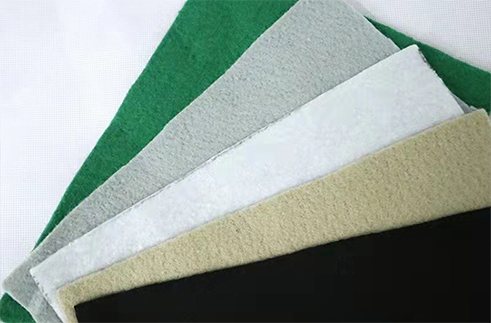
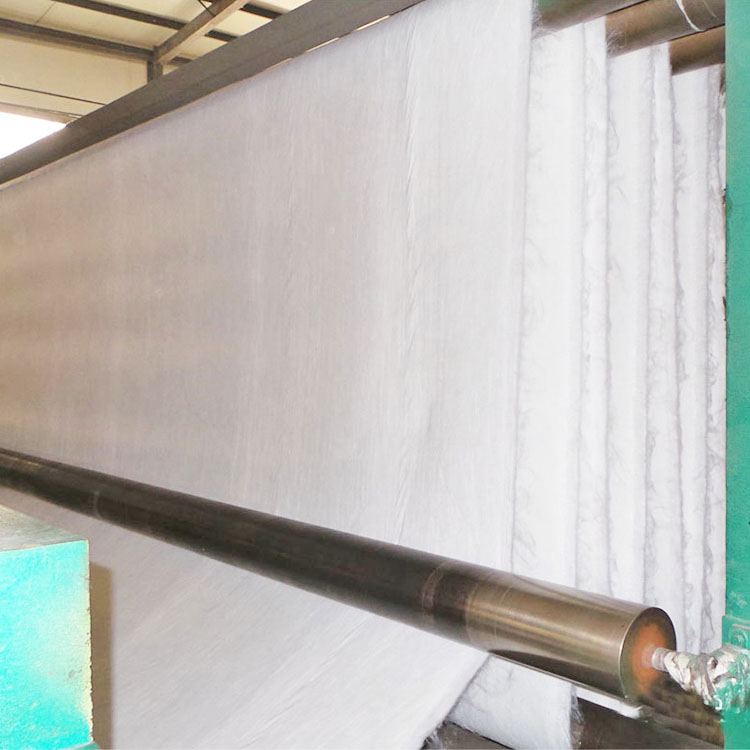
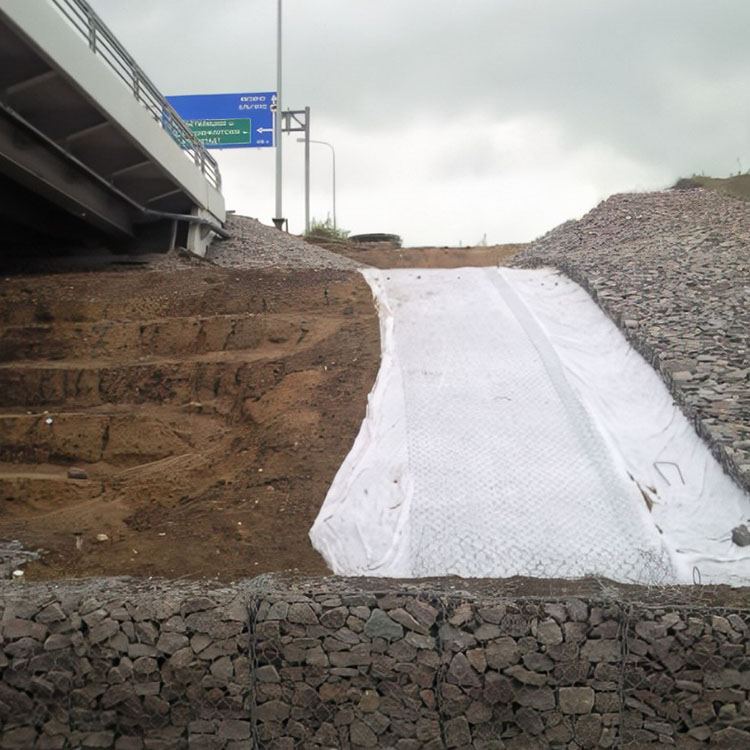
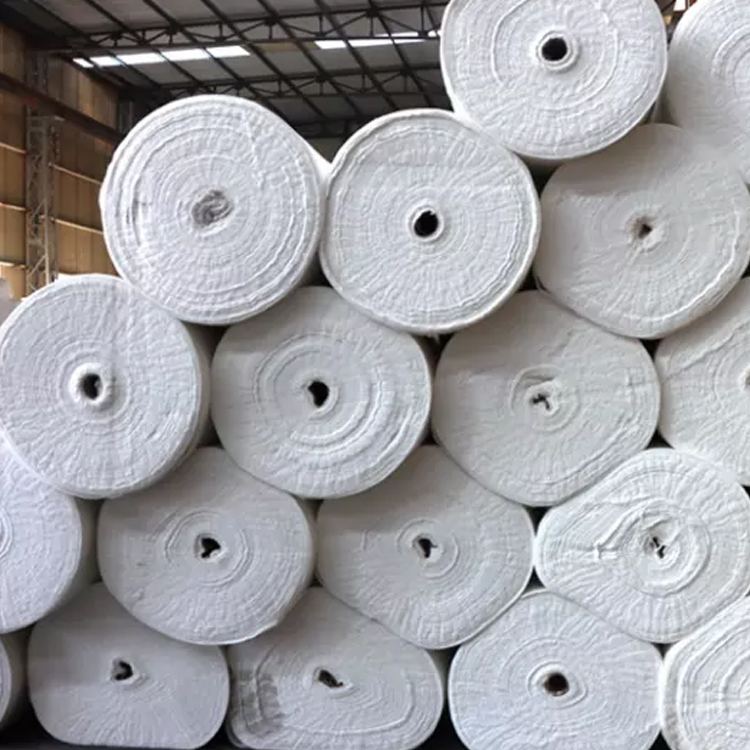
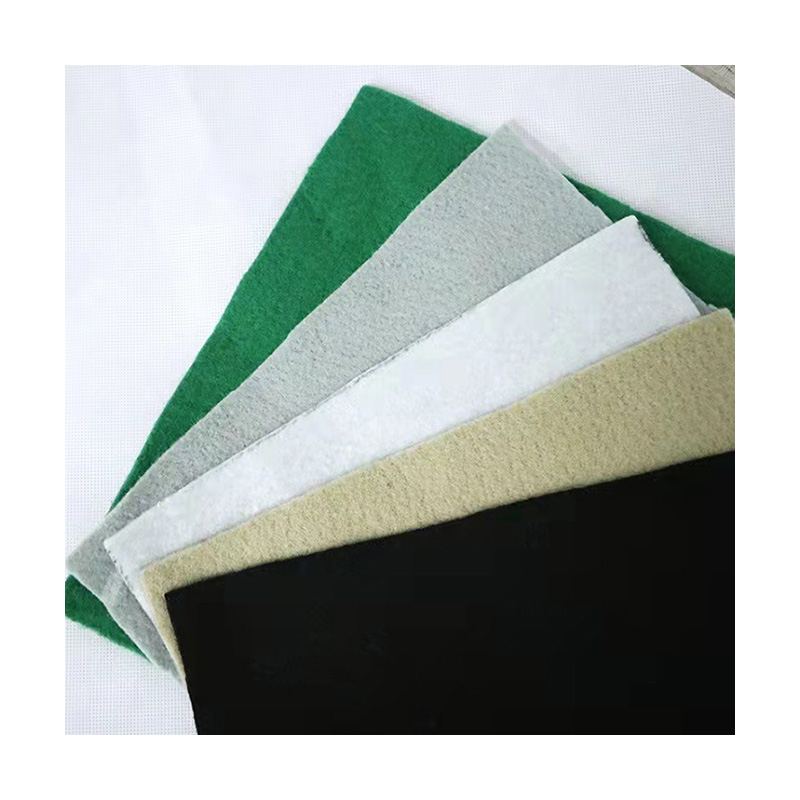
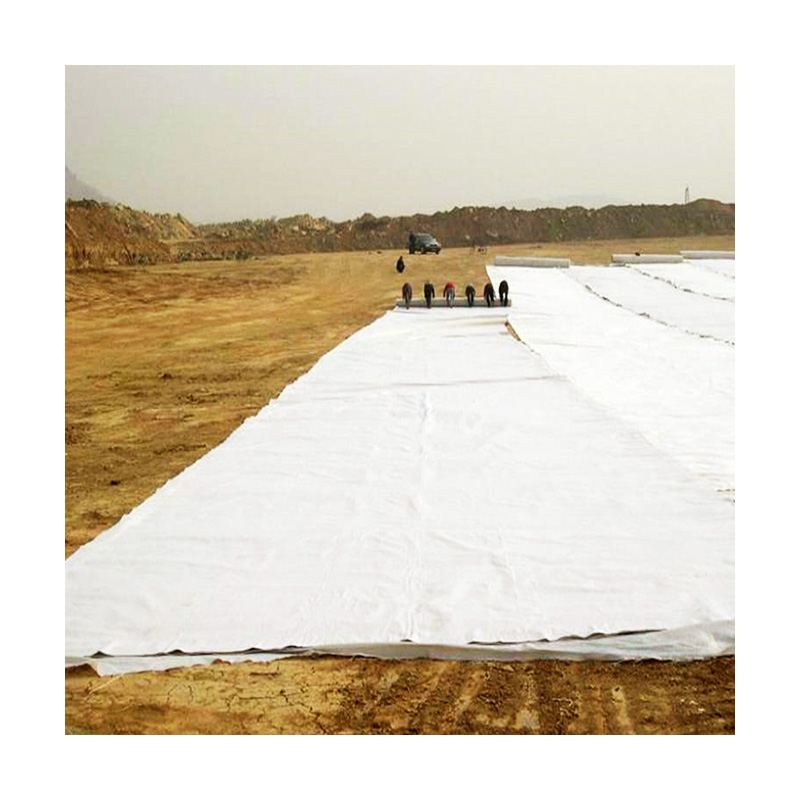
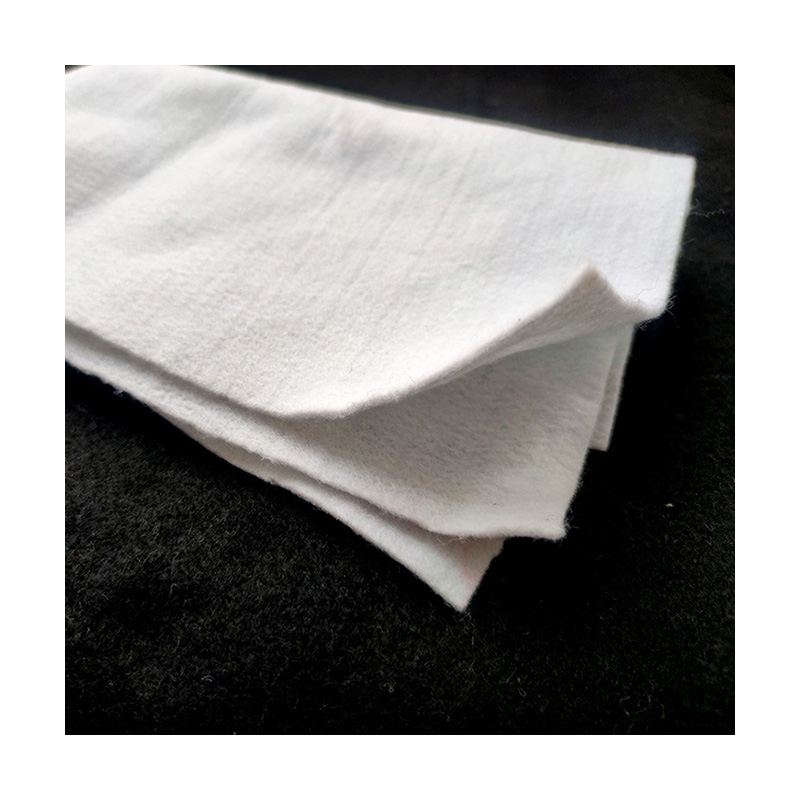
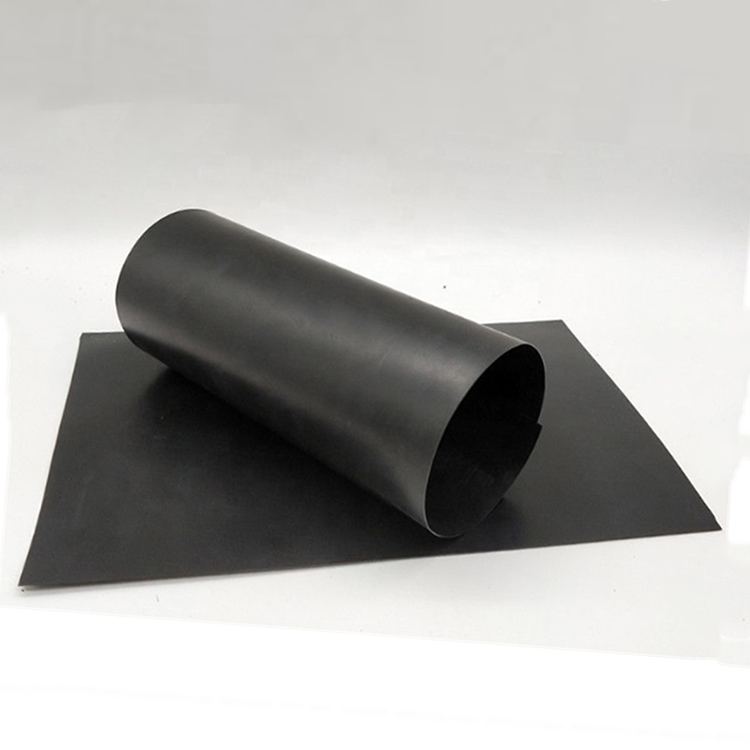
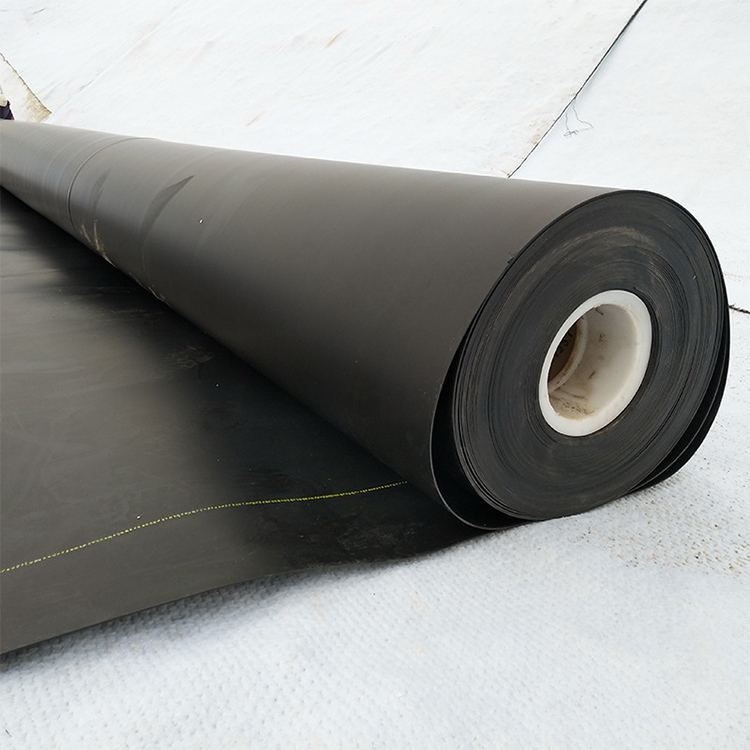
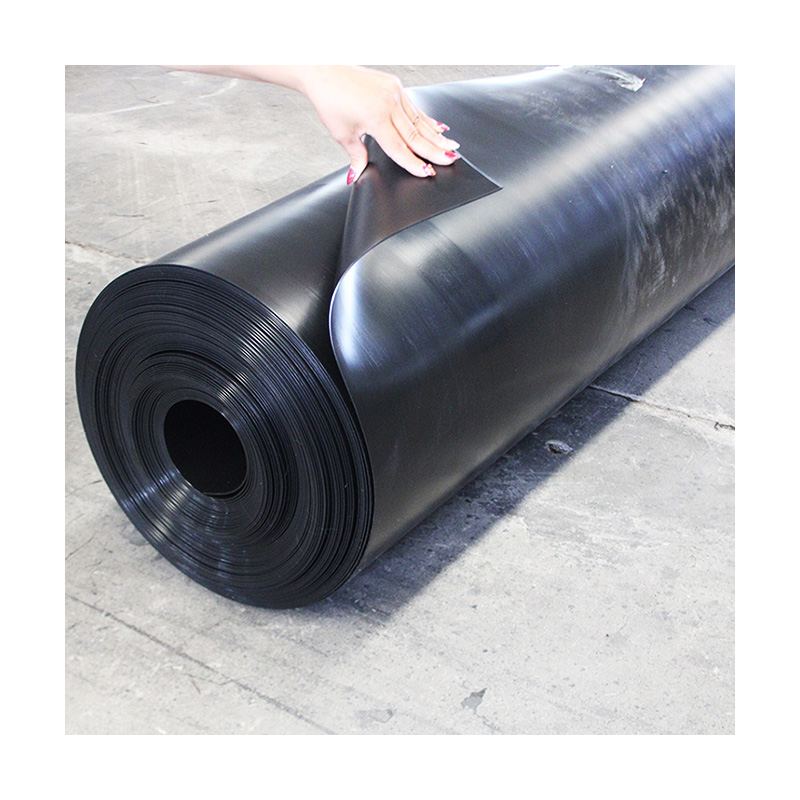
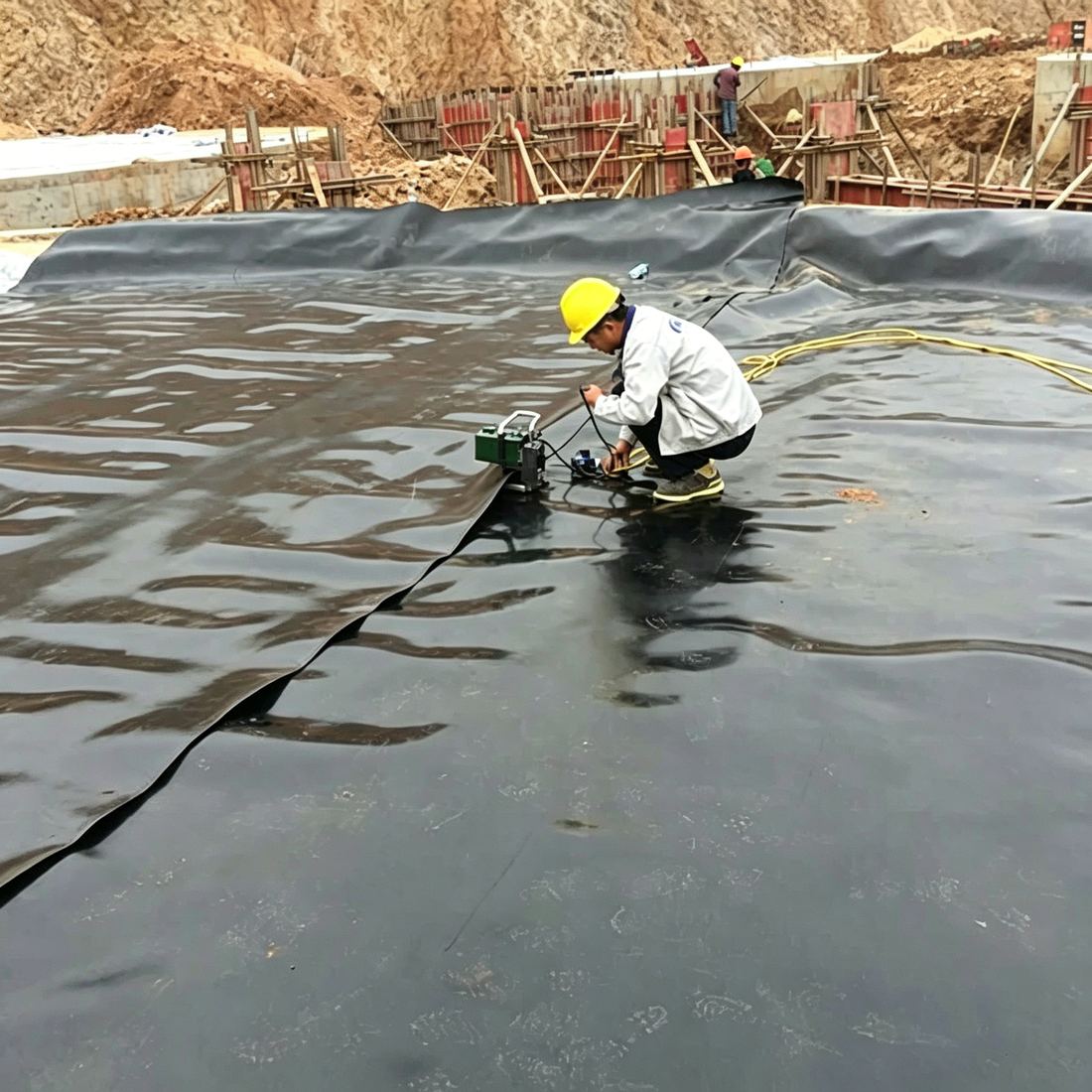
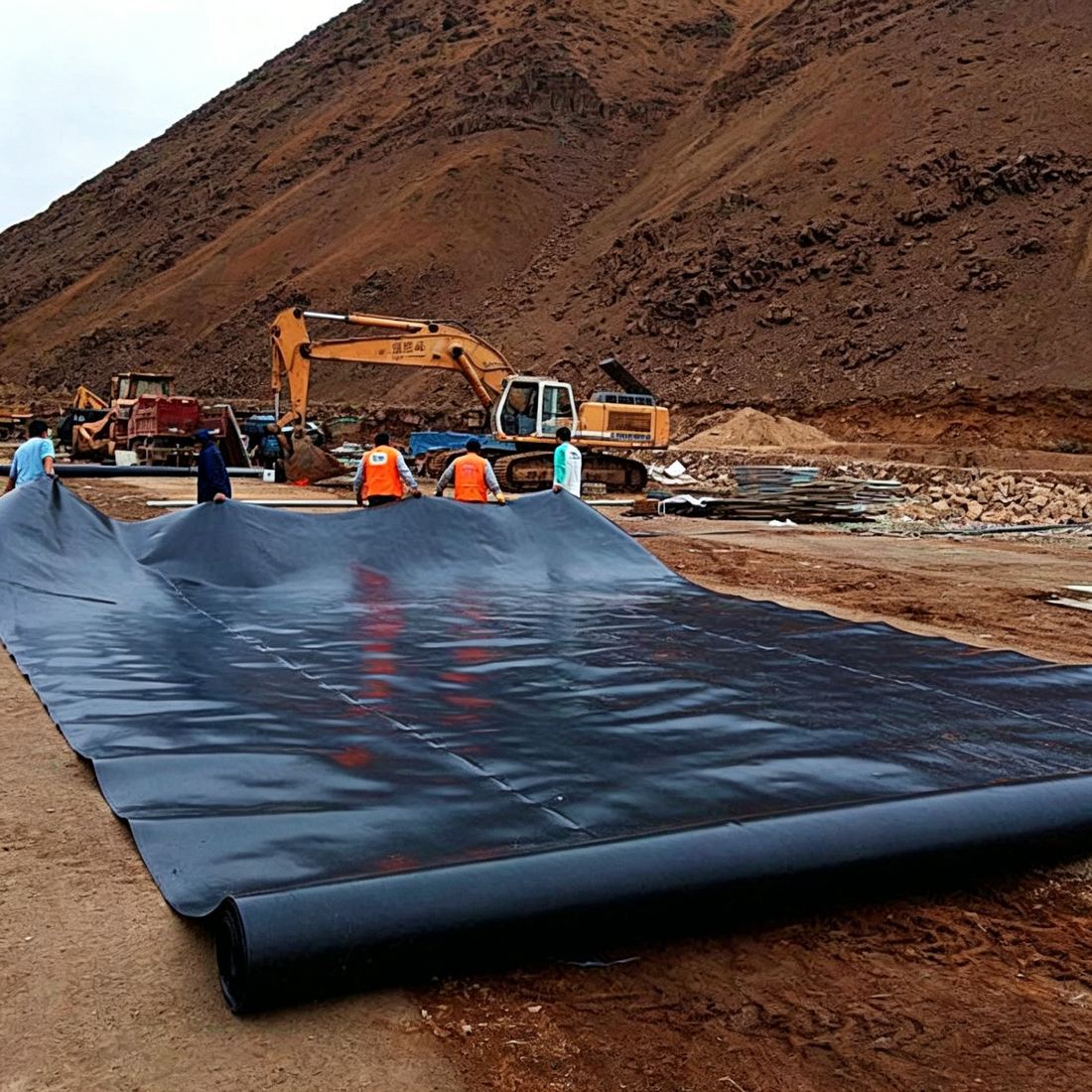
A woven polypropylene geotextile was selected for separation and stabilisation. After clearing vegetation, the geotextile (tensile strength ≥40 kN/m, high puncture resistance) was laid directly on the soft clay with 30 cm overlaps secured by steel pins. A 40 cm working platform of crushed stone was placed on the geotextile, with trucks advancing slowly to avoid tearing. The working platform was compacted with a light roller before standard pavement layers were constructed.
The Results
The geotextile effectively separated the stone from the soft clay, preventing aggregate intrusion and allowing heavy equipment to work safely.
No tearing or puncturing of the geotextile occurred during construction.
After two years of service, including wet seasons, the road shows no significant settlement or cracking.
Compared to excavation and replacement, the geotextile solution saved six weeks of construction time, reduced total cost by about 35%, and significantly lowered carbon emissions from reduced earth haulage.