
FRP & geosynthetic
solutions.
FRP/GRP pipe, HDPE geomembrane and geotextile systems for corrosion protection, lining, separation, filtration, drainage and reinforcement.
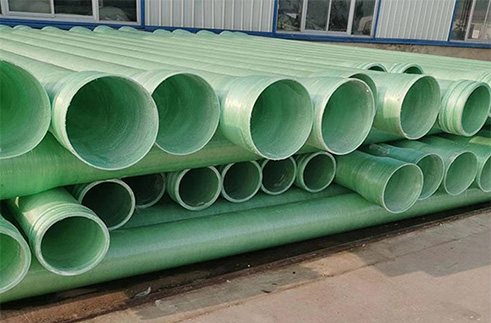
FRP GRP Pipe
Product overview, application support and specifications are available from our team.
Watch product video ↗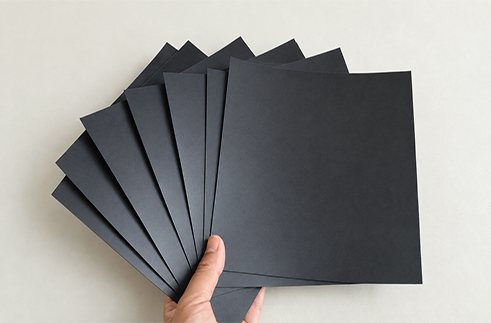
Geomembrane
Product overview, application support and specifications are available from our team.
Watch product video ↗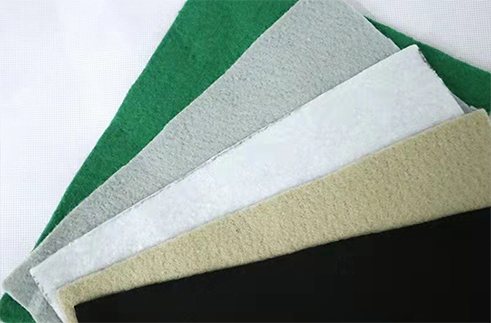
Geotextile
Product overview, application support and specifications are available from our team.
Watch product video ↗TECHNICAL DATA
Key specification
highlights.
Key technical data from Dingrunda product specifications.
Geotextile
- Material: PET, PP or customized
- Thickness: 0–20 mm
- Weight: 50–2000 gsm
- Roll width: 1–8 m according to the specification sheet
- Functions: separation, filtration, drainage, reinforcement and protection
FRP / GRP Pipe
- Diameter range in the specification sheet: DN10–DN3300
- Typical lengths: 1.8 m, 6 m and 12 m depending on diameter
- Wall-thickness data available for 0.6 MPa, 1.0 MPa and 1.6 MPa classes
- Suitable for corrosion-resistant industrial conveyance
HDPE Geomembrane
- GH-1 thickness range: 0.30–1.50 mm
- GH-2S thickness range: 0.75–2.50 mm
- Density: ≥0.940 g/cm³
- High elongation, puncture resistance and chemical durability
PRODUCT & PROJECT PHOTOS
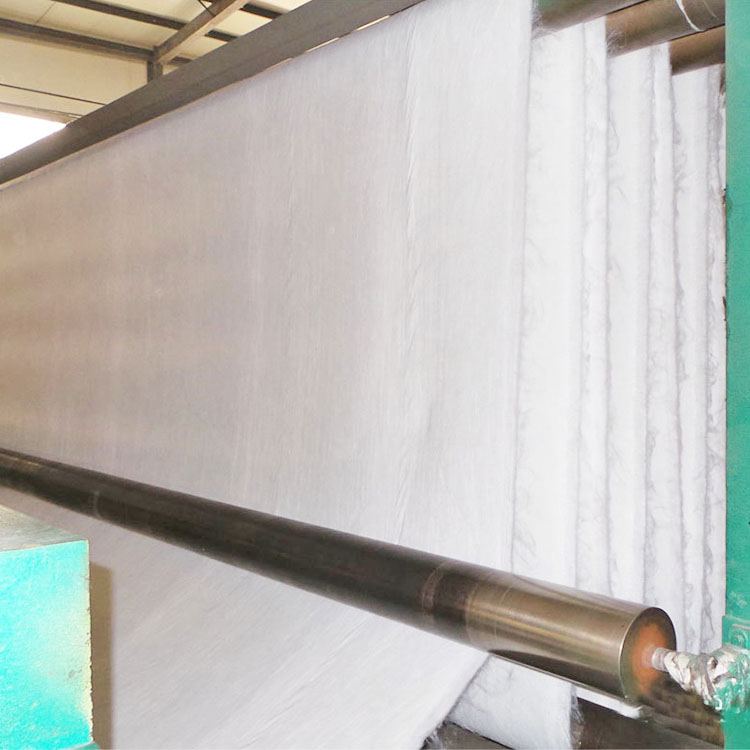
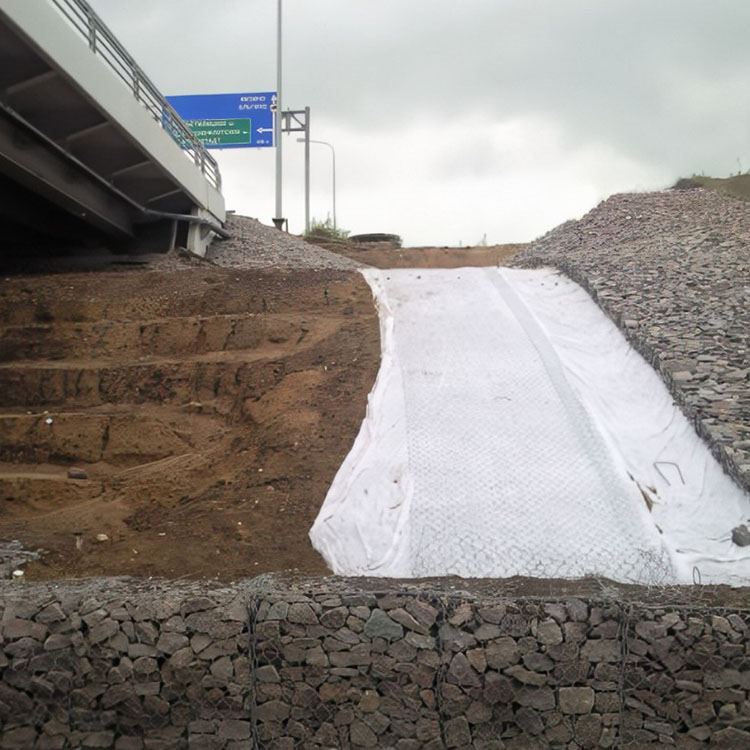
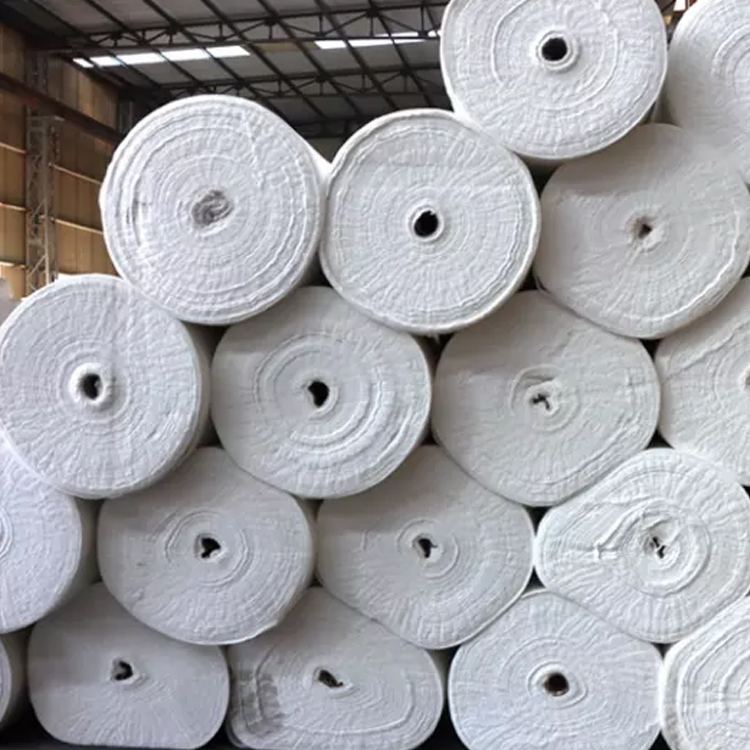
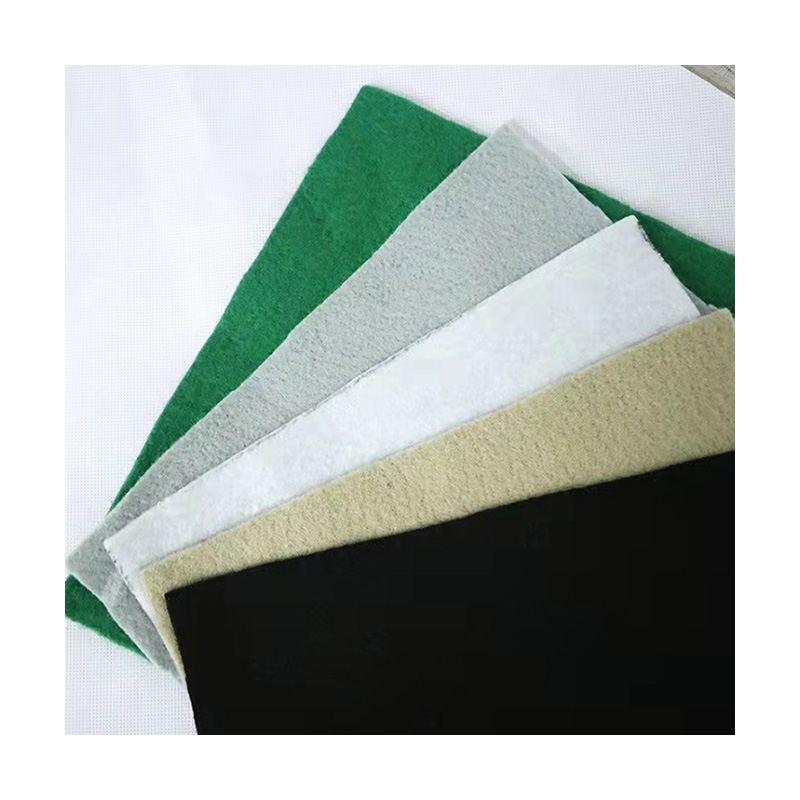
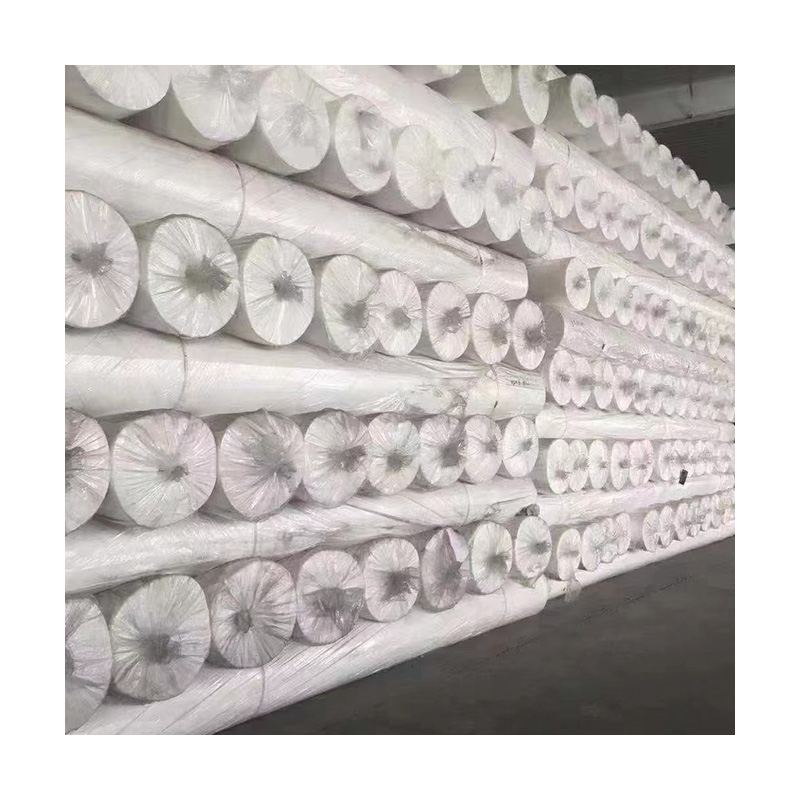
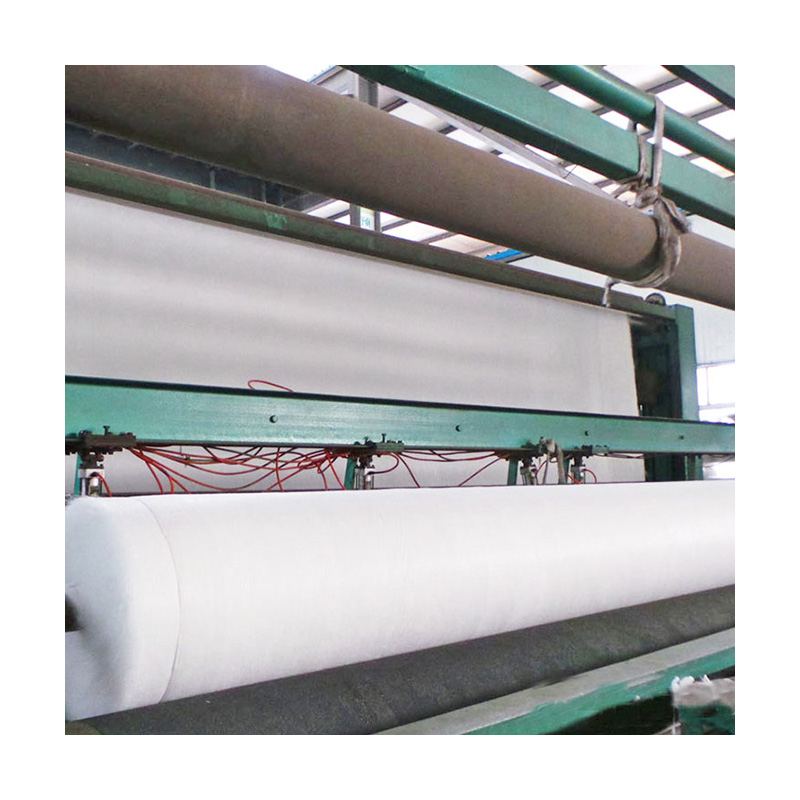
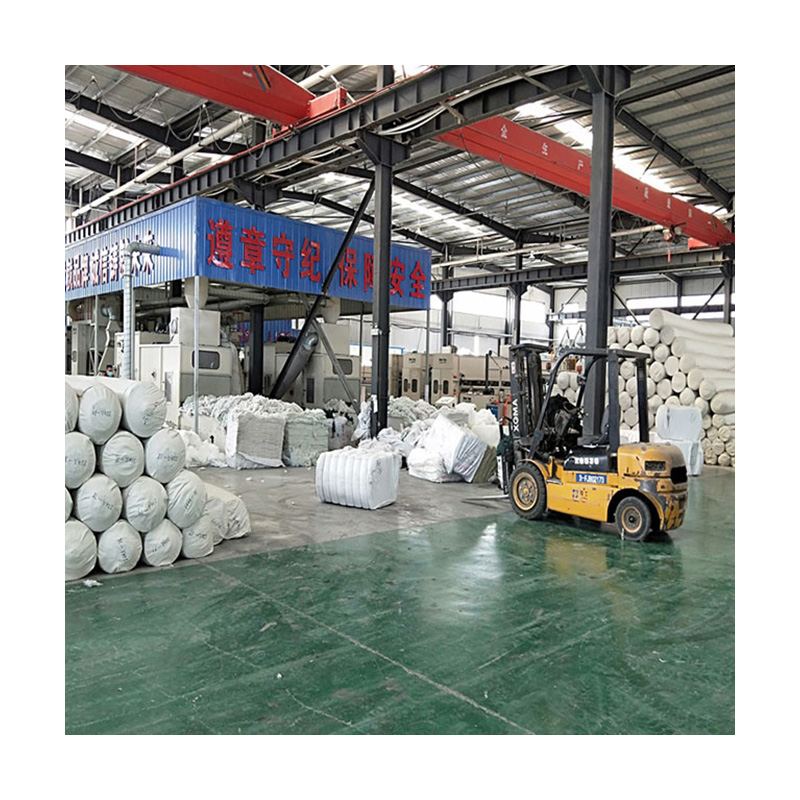
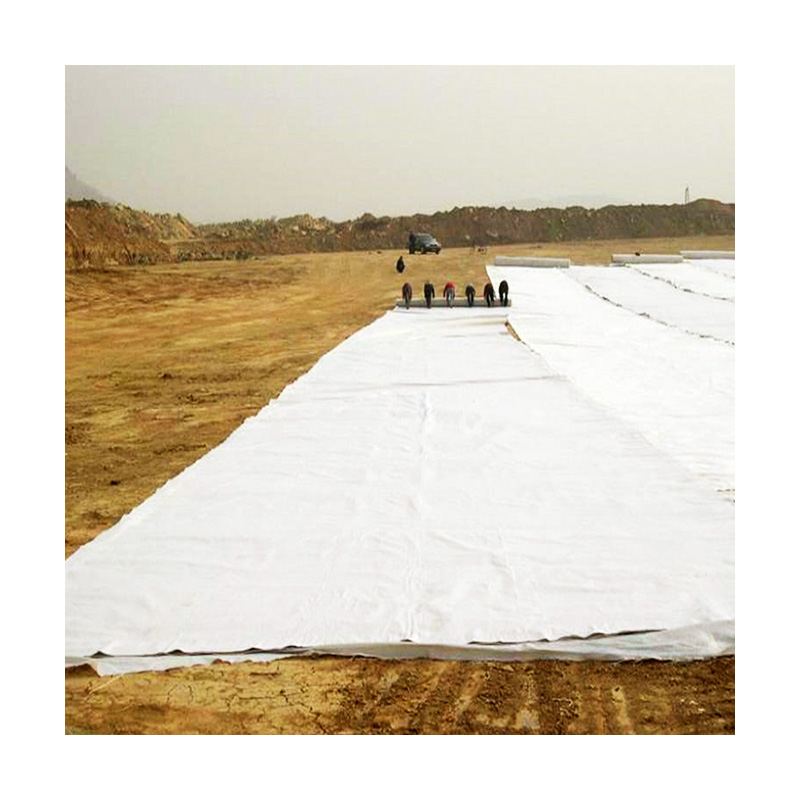
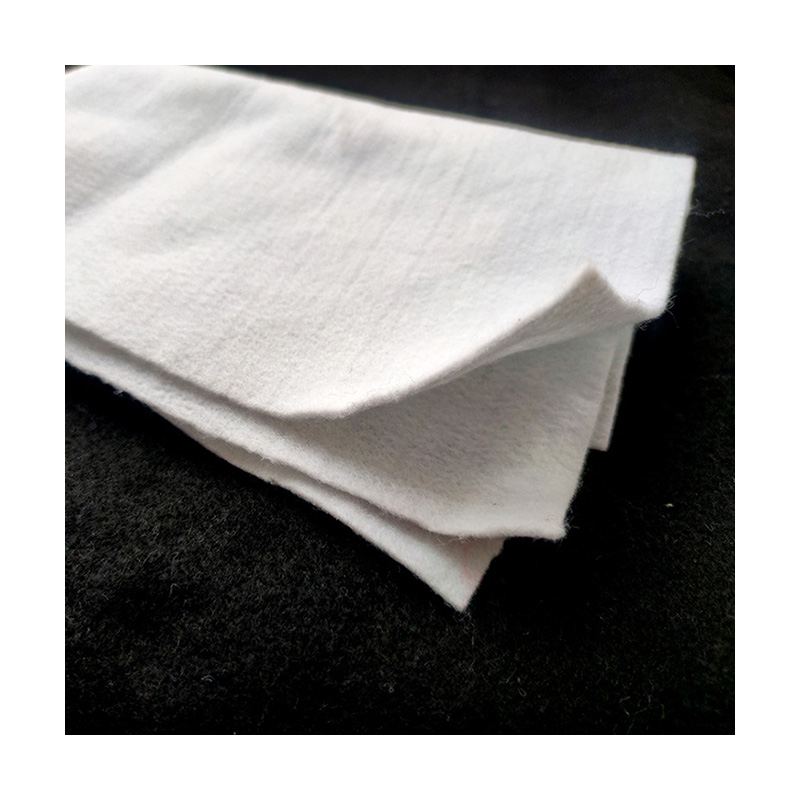
Geotextile
Product and application imagery for FRP and geosynthetic systems.
PRODUCT & PROJECT PHOTOS
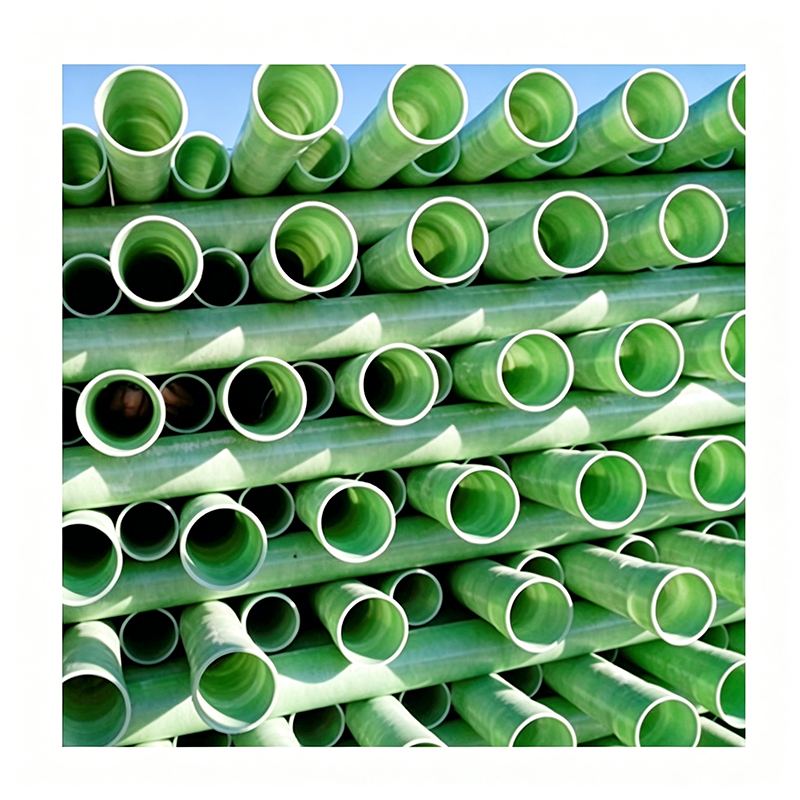
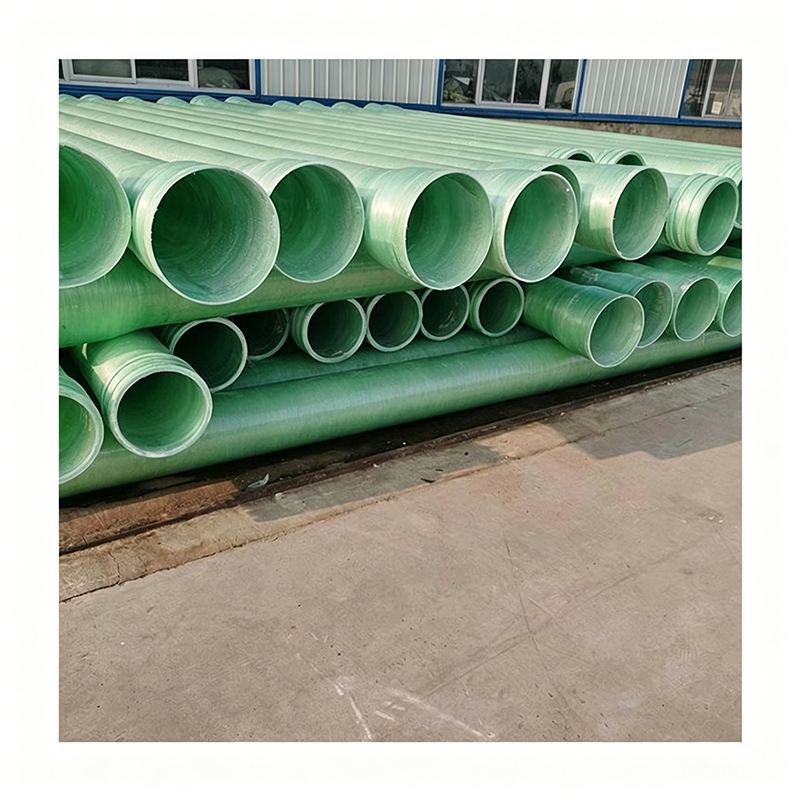
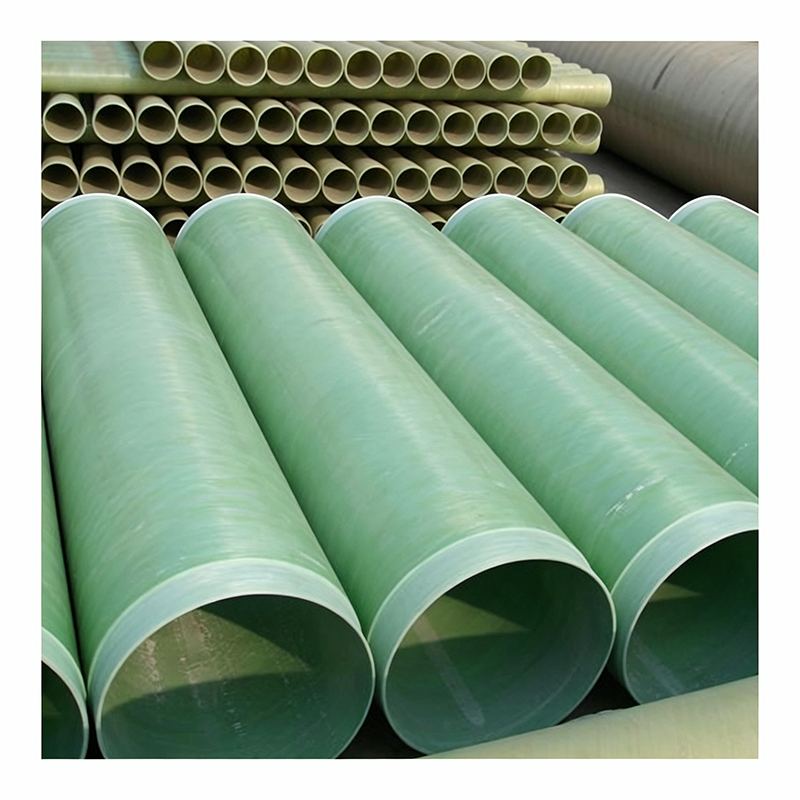
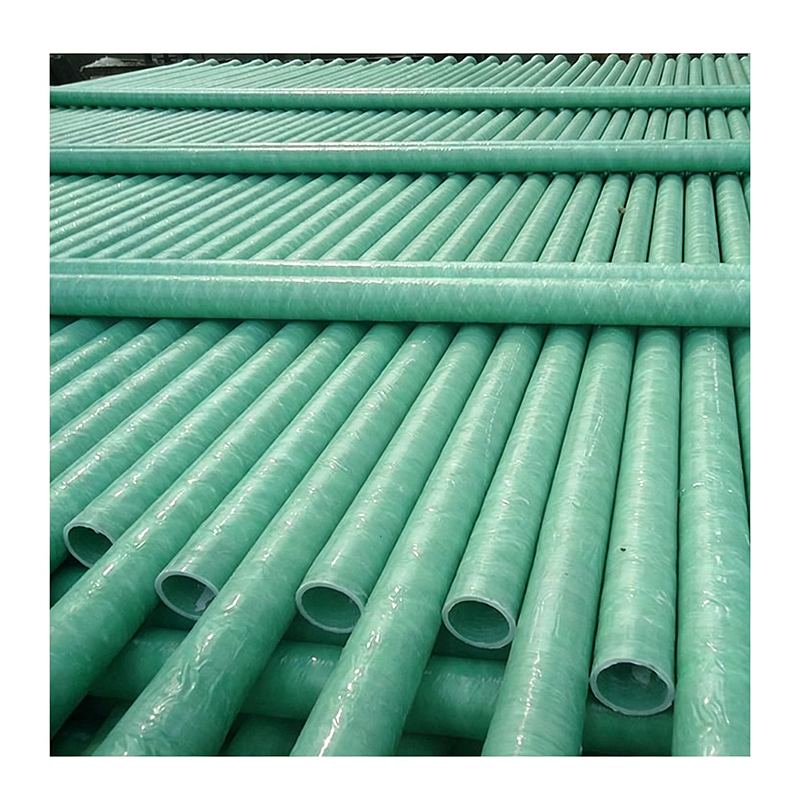
FRP pipe
Product and application imagery for FRP and geosynthetic systems.
PRODUCT & PROJECT PHOTOS
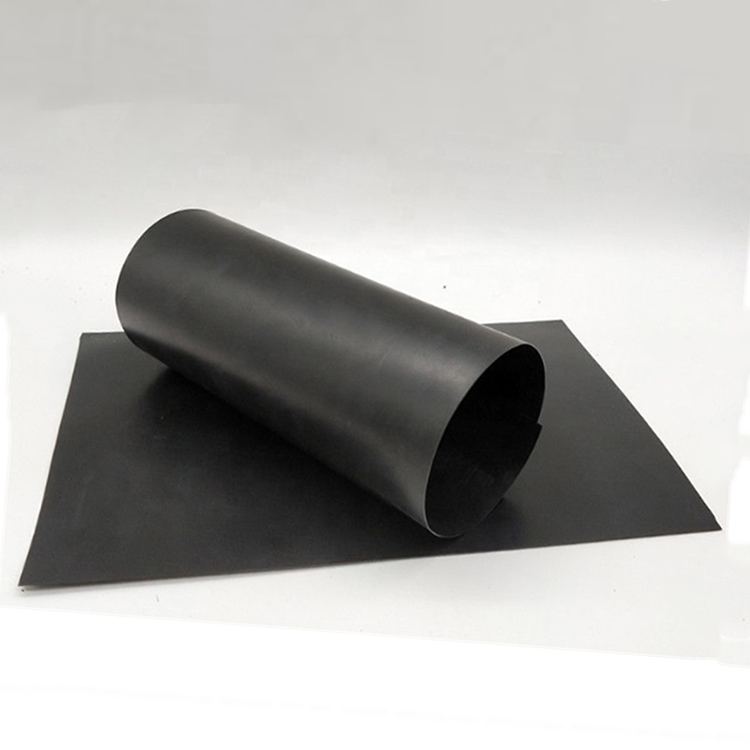
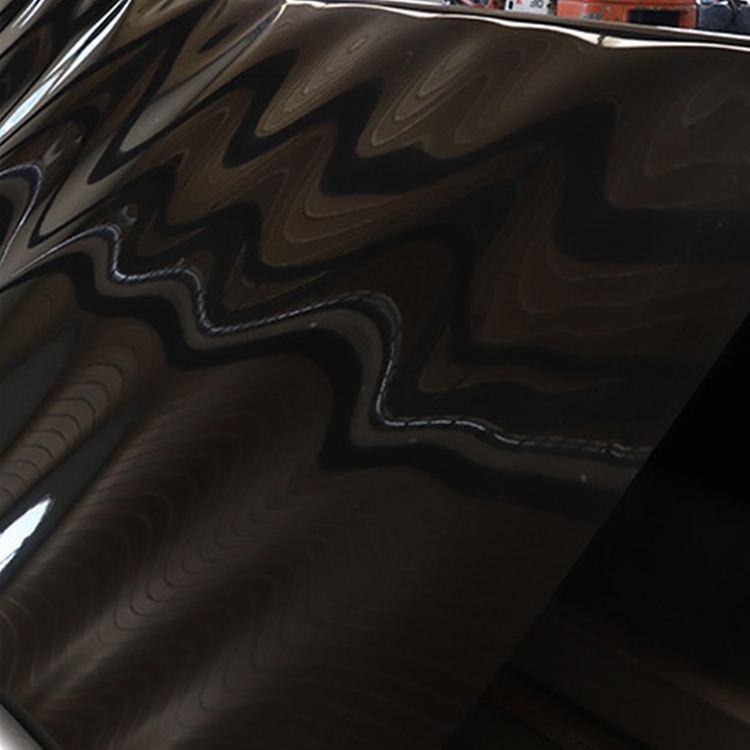
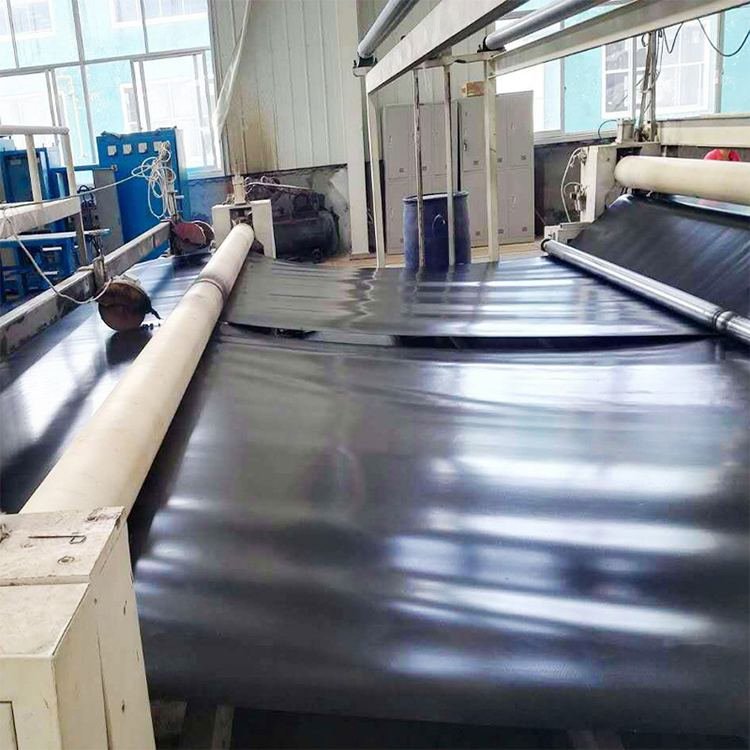
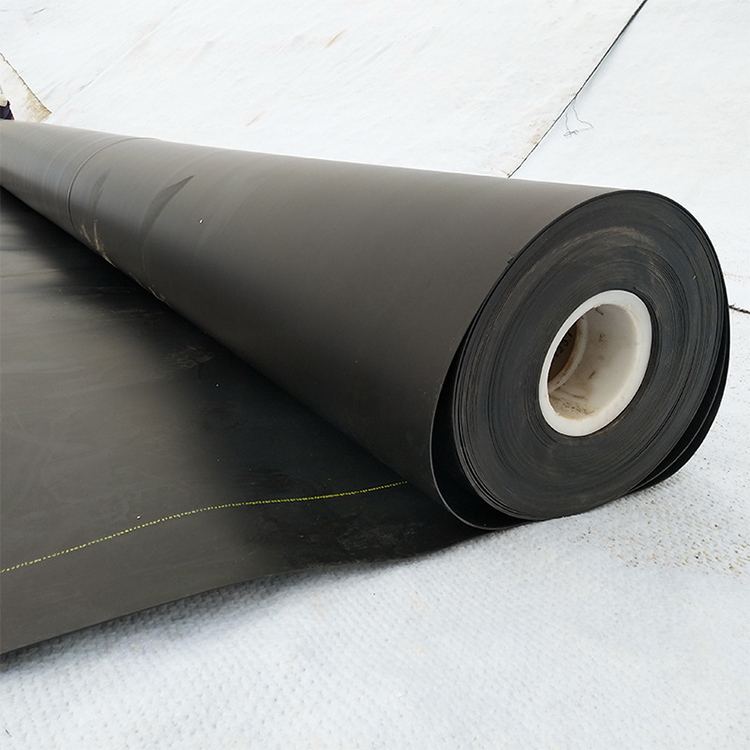
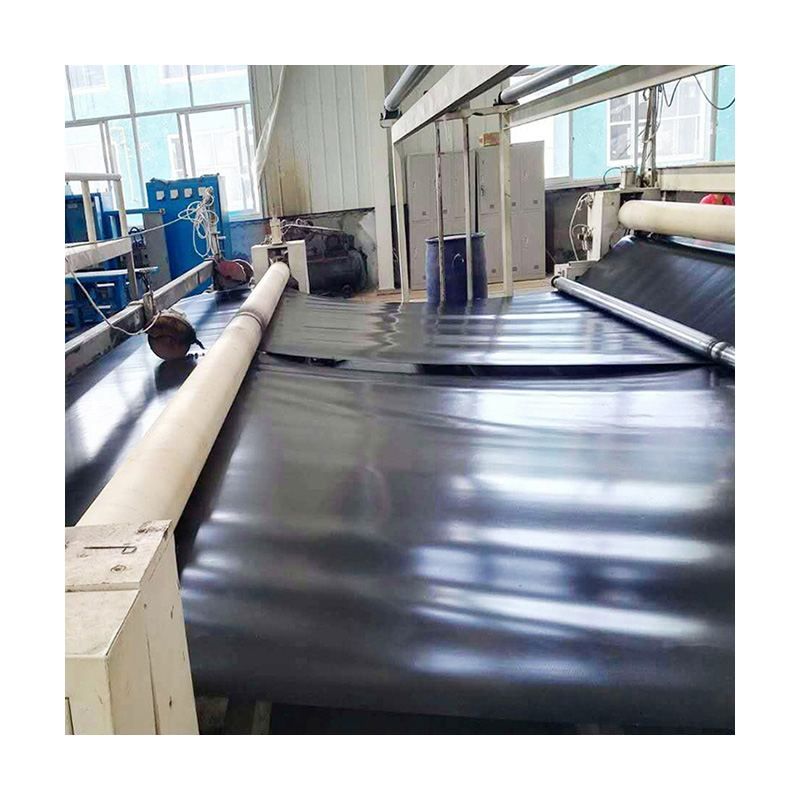
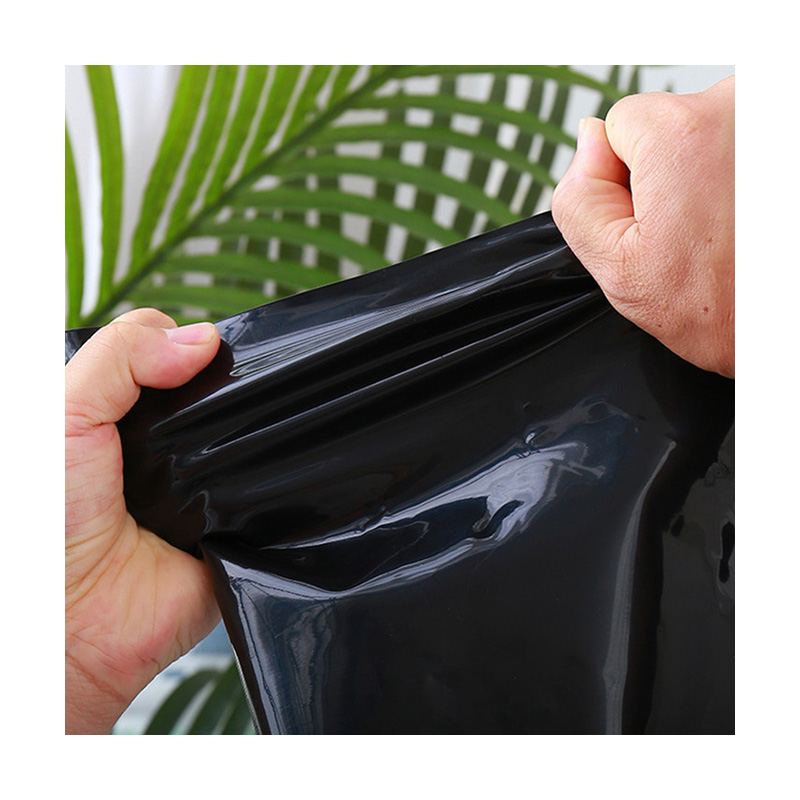
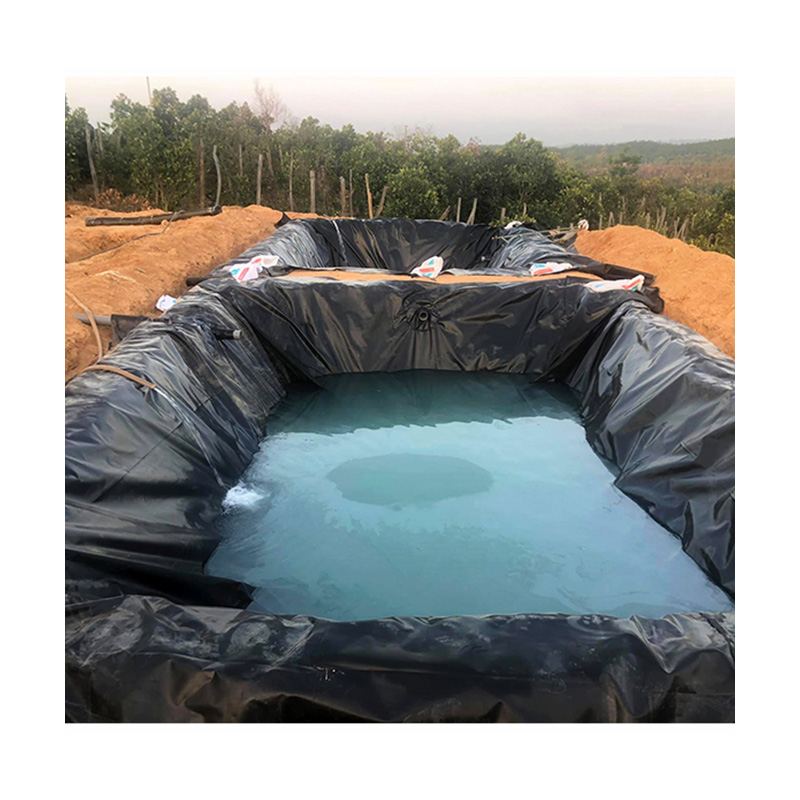
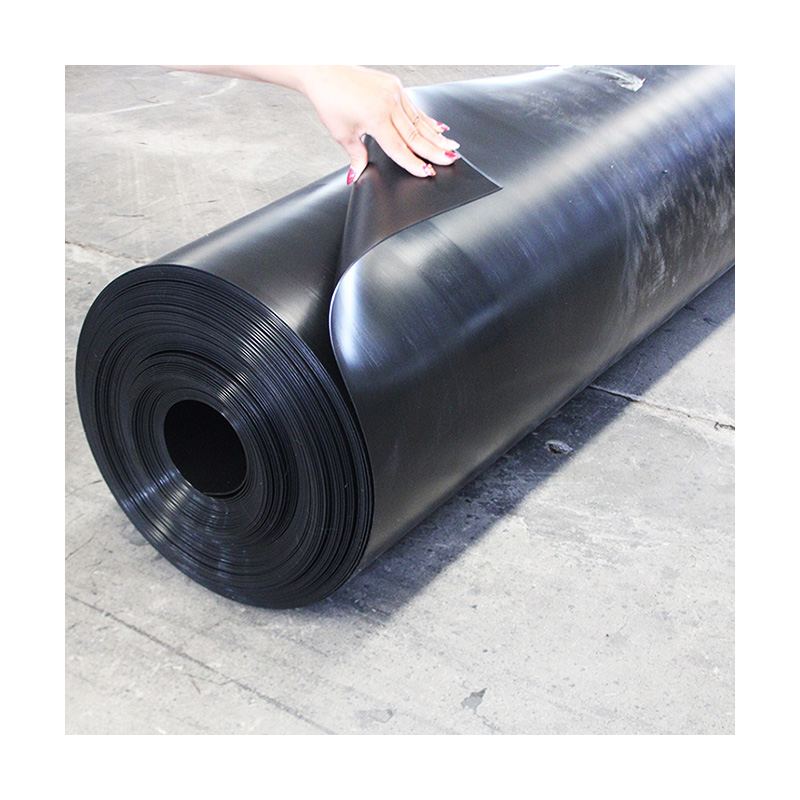
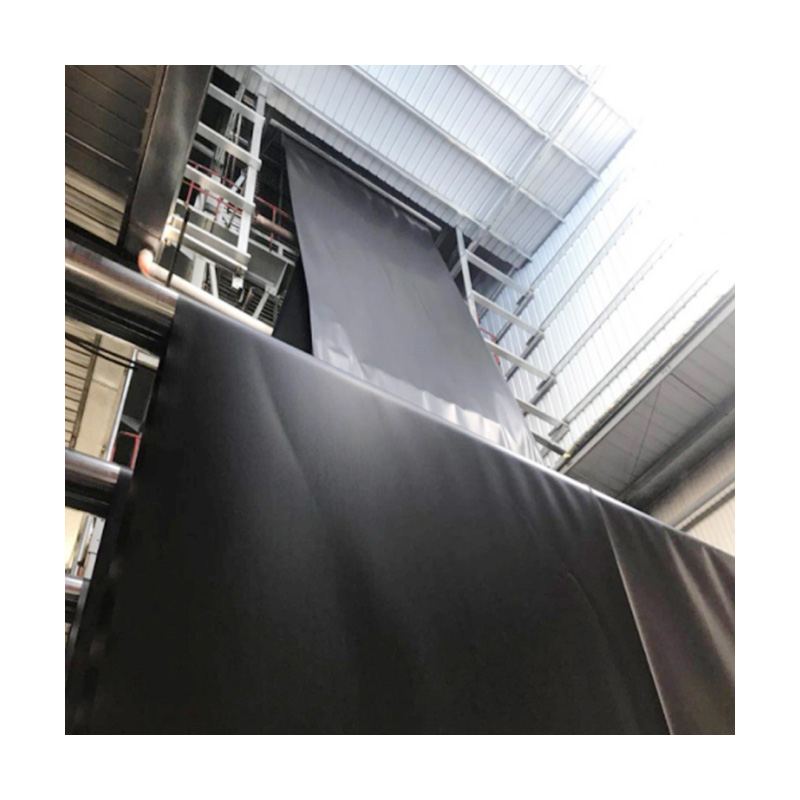
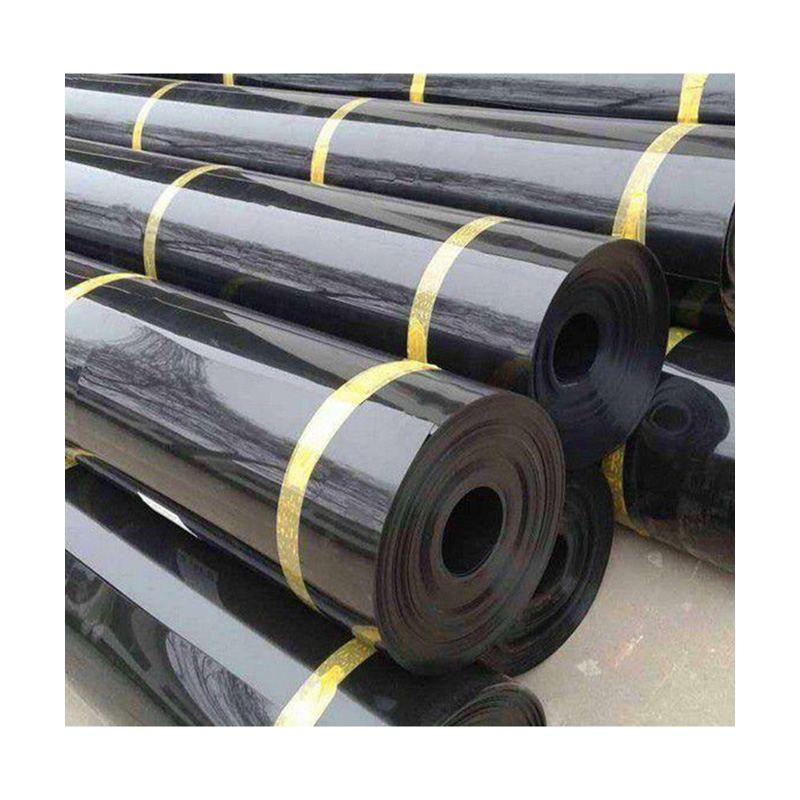
Geomembrane
Product and application imagery for FRP and geosynthetic systems.
PROJECT CASE
Geotextile in Soft Ground Stabilisation for a Highway – Queensland, Australia
Background
In 2021, a highway expansion project in coastal Queensland crossed a 1.5 km section of ancient floodplain underlain by 2-3 metres of highly compressible soft clay.
The Problem
The soft clay had high natural moisture content and very low bearing capacity . Placing aggregate directly on the clay would cause it to sink, preventing equipment access and leading to pavement deformation. Conventional excavation and replacement would have required massive earthworks, extended the schedule by months, and increased costs significantly.
The Solution
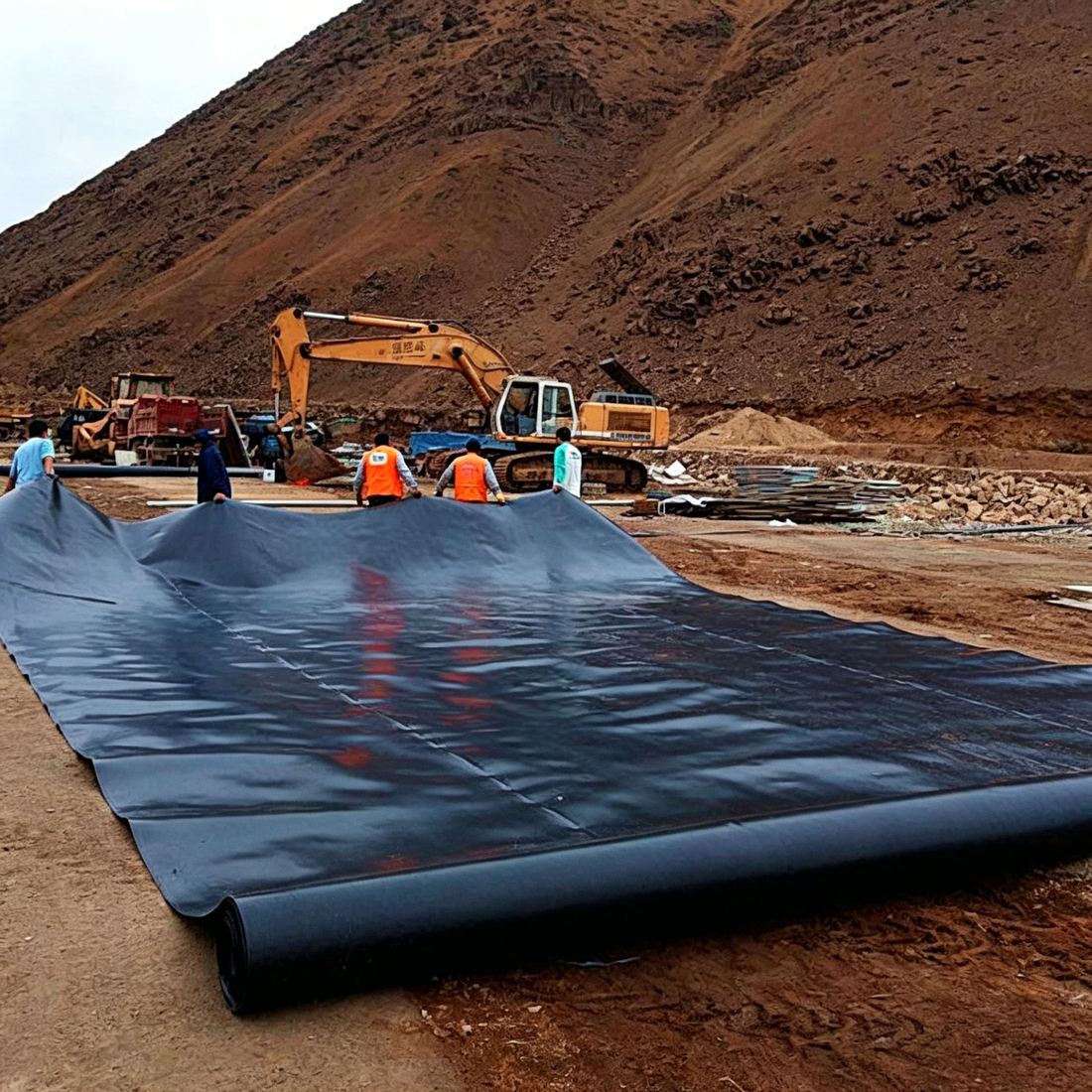
A woven polypropylene geotextile was selected for separation and stabilisation. After clearing vegetation, the geotextile (tensile strength ≥40 kN/m, high puncture resistance) was laid directly on the soft clay with 30 cm overlaps secured by steel pins. A 40 cm working platform of crushed stone was placed on the geotextile, with trucks advancing slowly to avoid tearing. The working platform was compacted with a light roller before standard pavement layers were constructed.
The Results
The geotextile effectively separated the stone from the soft clay, preventing aggregate intrusion and allowing heavy equipment to work safely.
No tearing or puncturing of the geotextile occurred during construction.
After two years of service, including wet seasons, the road shows no significant settlement or cracking.
Compared to excavation and replacement, the geotextile solution saved six weeks of construction time, reduced total cost by about 35%, and significantly lowered carbon emissions from reduced earth haulage.
PROJECT CASE
FRP for Chemical Corrosion Protection – Dilute Sulfuric Acid Pipeline
Background A chemical plant’s dilute sulfuric acid (H₂SO₄) pipeline, originally carbon steel, suffered from frequent leaks and unplanned shutdowns due to rapid corrosion.
Problem Steel pipes corroded quickly, especially at elbows and joints. Pinhole leaks disrupted production, required costly repairs, and posed safety and environmental risks.
Solution The plant replaced 800 meters of steel pipe with vinyl ester FRP piping (DN50–DN200). FRP is lightweight, corrosion-free, and resistant to dilute acid. Installation used three-layer glass fabric laminate joints for leak-tight seams.
Results
No leaks or wall thinning after 12 months of operation.
Unplanned pipeline repairs eliminated; inspection downtime reduced by over 70%.
Total installed cost comparable to alloy upgrades, with a design life exceeding 20 years – significantly lowering lifecycle cost.
PROJECT CASE
Geomembrane in a Landfill Liner System – New South Wales, Australia
Background
In 2022, a landfill nearing closure in New South Wales, Australia, required a new liner system. The landfill had operated for nearly 30 years, and the existing clay liner was cracked and at risk of leachate leakage.
The Problem
The site had complex geology with differential settlement risk. The clay liner had dried and cracked, reducing its effectiveness. Environmental authorities required a liner with extremely low permeability (≤1×10⁻⁹ cm/s), resistance to chemical attack from leachate, and the ability to accommodate ground movement.
The Solution
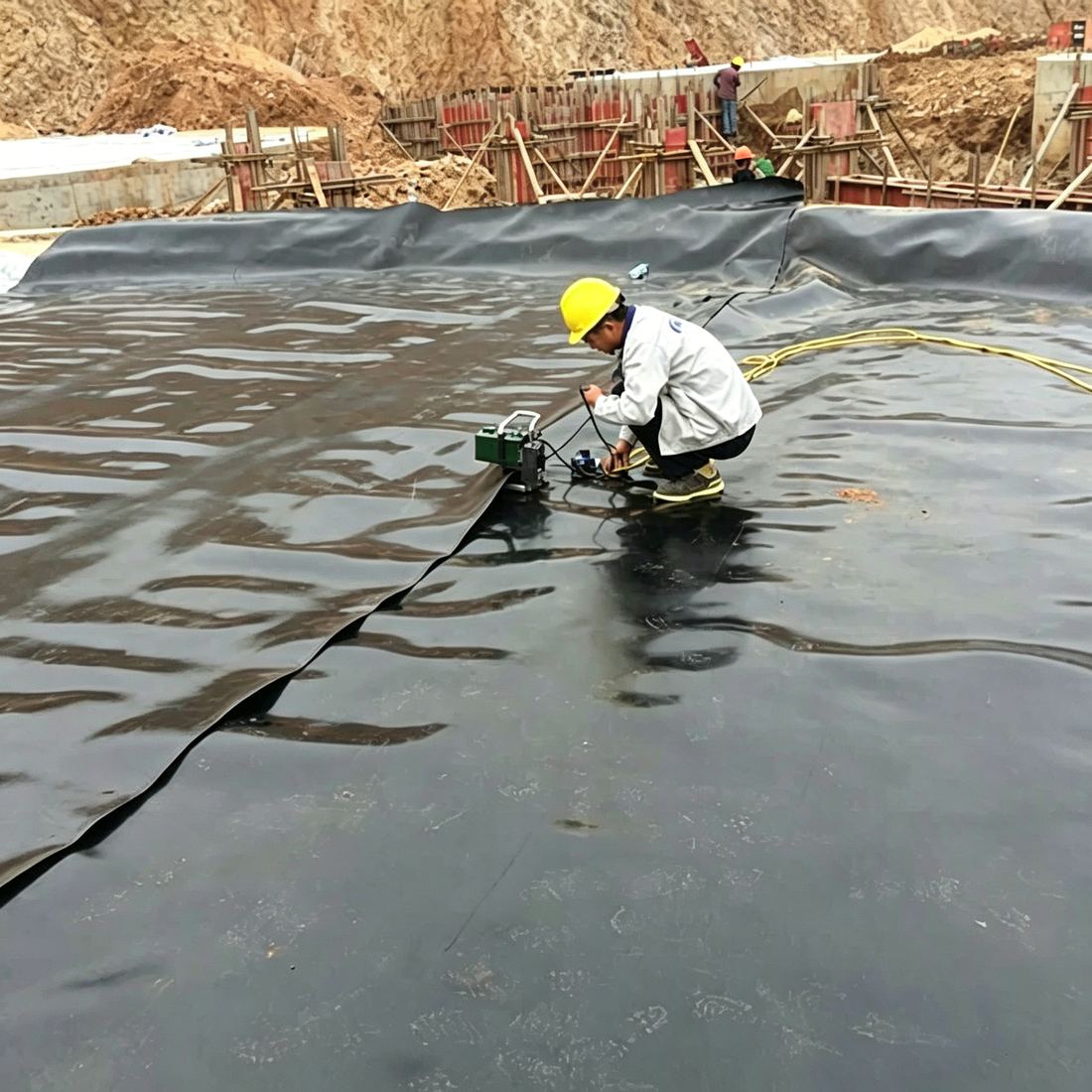
A 1.5 mm HDPE geomembrane was selected as the primary barrier. Construction steps: the subgrade was smoothed and compacted; a 400 mm compacted clay layer (≤1×10⁻⁷ cm/s) was placed as a secondary liner; the HDPE geomembrane was installed with dual-track thermal fusion welding; a 600 g/m² nonwoven geotextile protection layer, 500 mm drainage stone, and 300 mm topsoil were placed above the geomembrane. The geomembrane’s flexibility accommodates localised settlement without cracking.
The Results
All seams passed non-destructive and spark testing with no leaks.
Groundwater monitoring showed no leachate contamination, confirming liner effectiveness.
One year after closure, the geomembrane remained intact with no slope slippage.
Compared to a clay-only liner, the HDPE geomembrane increased the safety factor by approximately 100 times and shortened construction time by about 30%.
Need FRP or geosynthetic data?
Share your project requirements and our team will help you select a suitable solution.