
PVC Casing Pipe Installation A Step-by-Step Guide
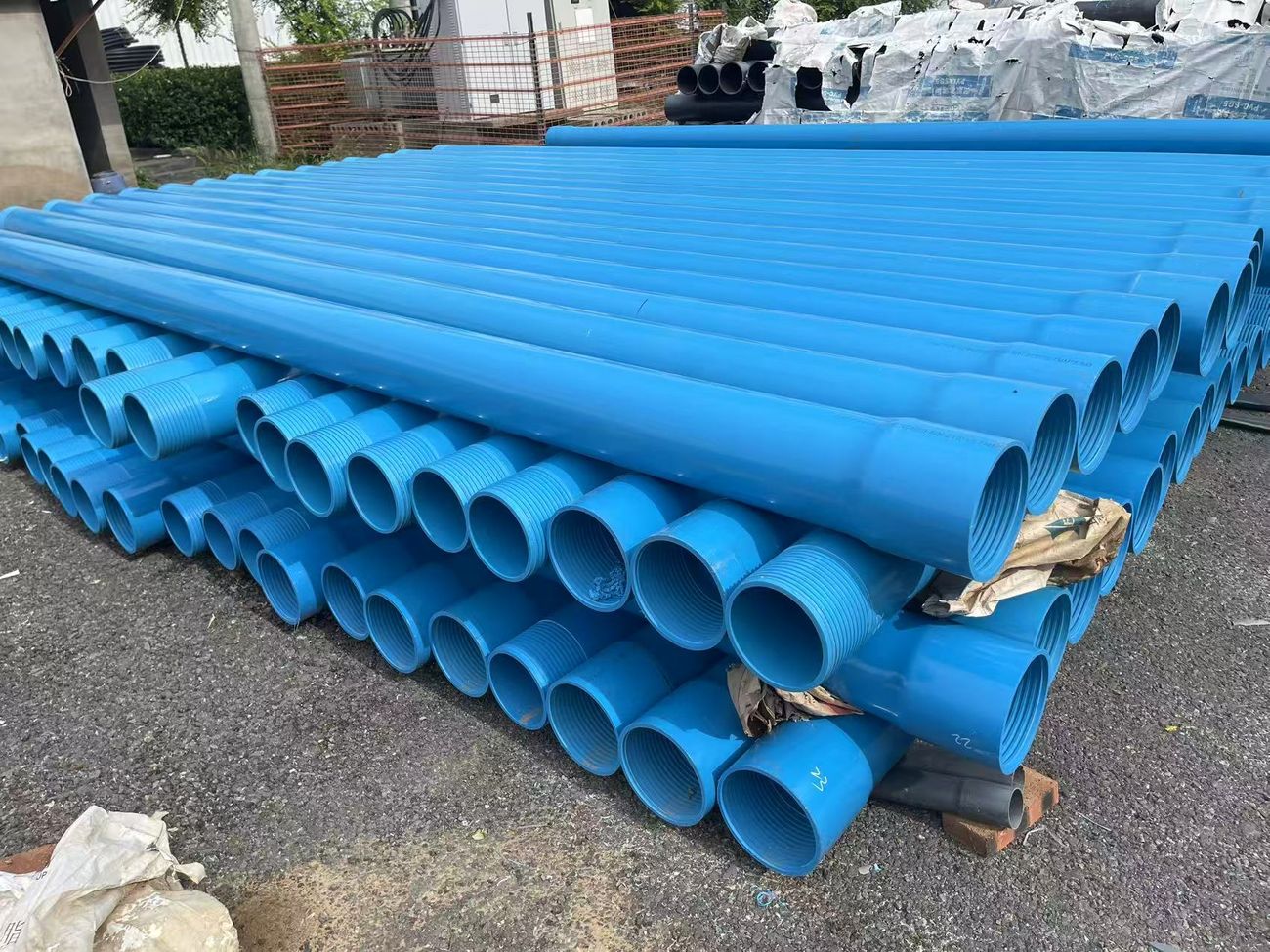
Installing a PVC casing pipe system requires proper planning, correct installation methods, and compliance with engineering standards to ensure long-term performance in wells, utility, and geotechnical applications.
1. Pre-Installation Preparation
Before installation, a full site assessment is required:
Confirm soil conditions, groundwater level, and drilling risks
Check underground utilities and site constraints
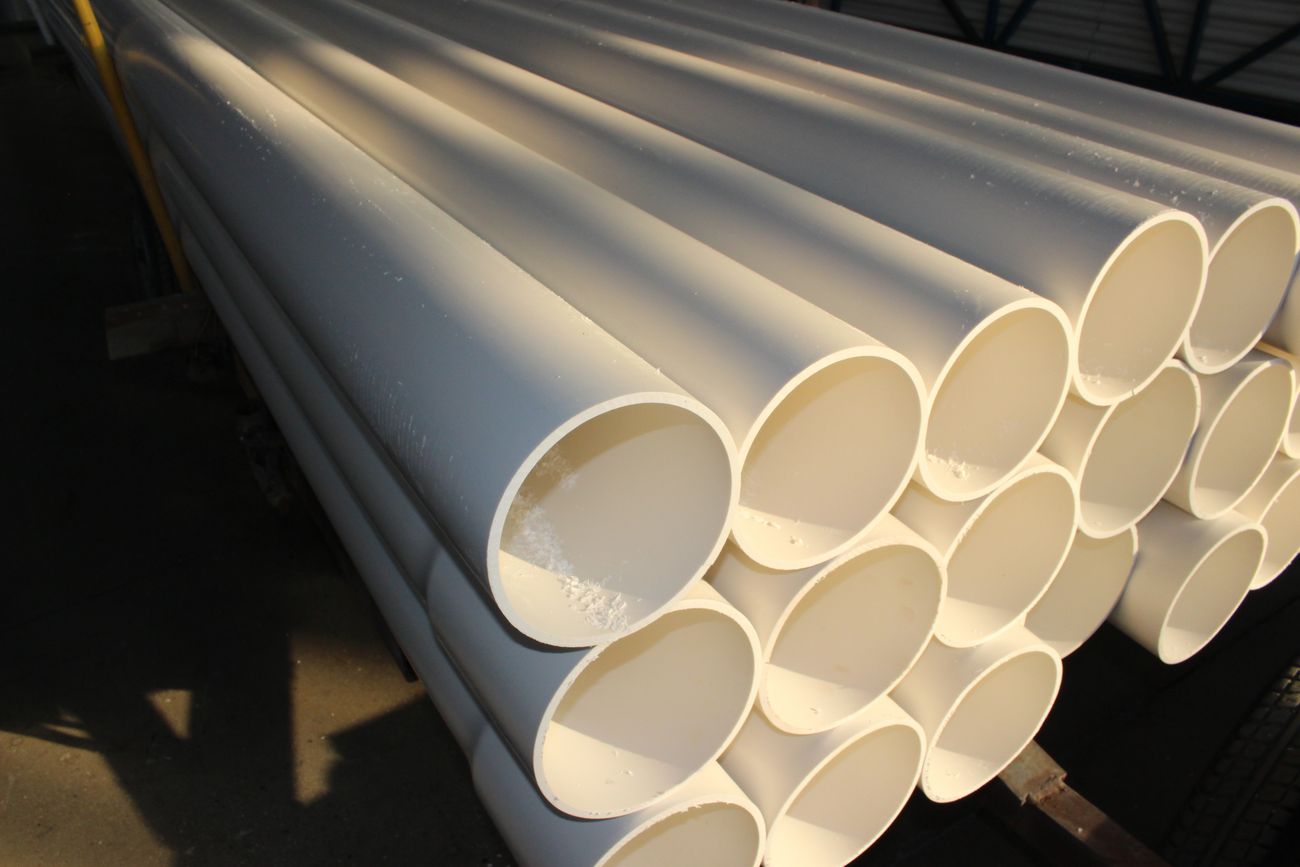
Select suitable pipe diameter, wall thickness, and connection type based on project depth and load requirements
Ensure all materials meet relevant ASTM or equivalent standards
Proper planning reduces installation risk and ensures system stability.
2. Equipment & Safety Setup
Use professional drilling and pipe handling equipment:
Rotary drilling rig suitable for required depth
PVC cutting and joining tools
Lifting and alignment devices
Safety requirements:
PPE: helmets, gloves, safety boots, goggles
Trained operators for drilling and lifting operations
Clear communication during pipe lowering and assembly
3. Drilling & Borehole Preparation
Drill according to soil conditions and required diameter
Maintain stable borehole using drilling fluid if needed
Ensure hole is clean, straight, and properly sized for casing installation
Remove debris before pipe insertion
A well-prepared borehole is critical for installation accuracy and performance.
4. Pipe Installation Process
Inspect all pipes and joints before use
Clean and align pipe ends before connection
Use correct lubricants and torque control for joint assembly
Lower pipes gradually to avoid impact or deformation
Maintain vertical alignment during installation
Ensure each joint is properly sealed to prevent leakage and structural failure.
5. Backfilling & Stabilization
Use clean, non-corrosive backfill materials
Avoid sharp stones or organic debris
Compact evenly around the casing pipe
Prevent uneven pressure or pipe displacement
Proper backfilling ensures long-term structural support.
6. Testing & Commissioning
After installation:
Conduct pressure or integrity testing
Check leakage and joint performance
Verify alignment and system stability
Record all test data for quality documentation
System should pass all tests before operation.
7. Maintenance Recommendations
Regular inspection of system integrity
Monitor pressure and operational conditions
Preventive maintenance to avoid long-term failure
Keep spare parts and repair plan ready if needed
FAQ
What are the most common installation mistakes to avoid with pvc casing pipe systems
The most frequent installation errors include inadequate hole preparation, improper joint assembly, and insufficient backfill compaction. Poor hole conditioning can lead to pipe misalignment and potential damage during installation. Incorrect joint assembly techniques often result in leaks and structural weaknesses that compromise system performance. Inadequate backfill procedures may cause pipe settlement, deformation, or failure under operational loads.
How do soil conditions affect pvc casing pipe installation requirements
Soil conditions significantly influence drilling methods, pipe support requirements, and long-term system stability. Cohesive soils may require temporary casing or drilling fluid to maintain hole stability during installation. Rocky conditions demand specialized drilling equipment and may necessitate pre-drilling or hole modification procedures. Corrosive soils require additional protective measures and may influence material selection for optimal service life.
What testing procedures are required after pvc casing pipe installation
Standard testing procedures include pressure testing to verify joint integrity, alignment verification to ensure proper pipe position, and documentation review to confirm compliance with specifications. Pressure tests typically involve applying specified test pressures for predetermined time periods while monitoring for pressure loss or visible leakage. Additional testing may include flow testing, water quality analysis, or geophysical logging depending on the specific application requirements.
How long does a typical pvc casing pipe installation project take to complete
Installation timeframes vary significantly based on project complexity, site conditions, pipe diameter, and installation depth requirements. Simple shallow installations may require only one or two days, while deep or complex installations can take several weeks to complete. Factors affecting duration include drilling progress rates, material delivery schedules, weather conditions, and permit approval processes. Proper project planning and scheduling help optimize installation efficiency and minimize delays.
Related images
Have a project question about this topic?
Share your project requirements and our team will help you select a suitable solution.