
UPVC Pipe vs HDPE Pipe Which One Is Better for Your Project
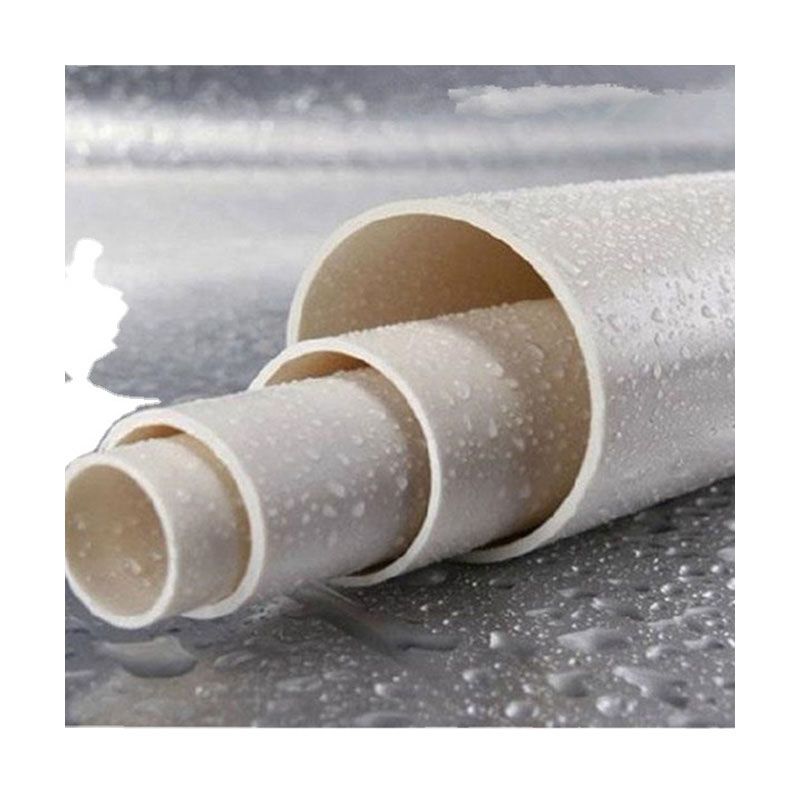
Choosing the right piping material is essential for the long-term success of any water supply, drainage, irrigation, or construction project. Among the most commonly used plastic piping systems, UPVC pipe and HDPE pipe are two popular choices.
But what is the difference between them, and which one is better for your project?
This article compares UPVC and HDPE pipes in terms of strength, flexibility, installation, cost, lifespan, and applications.
What Is UPVC Pipe?
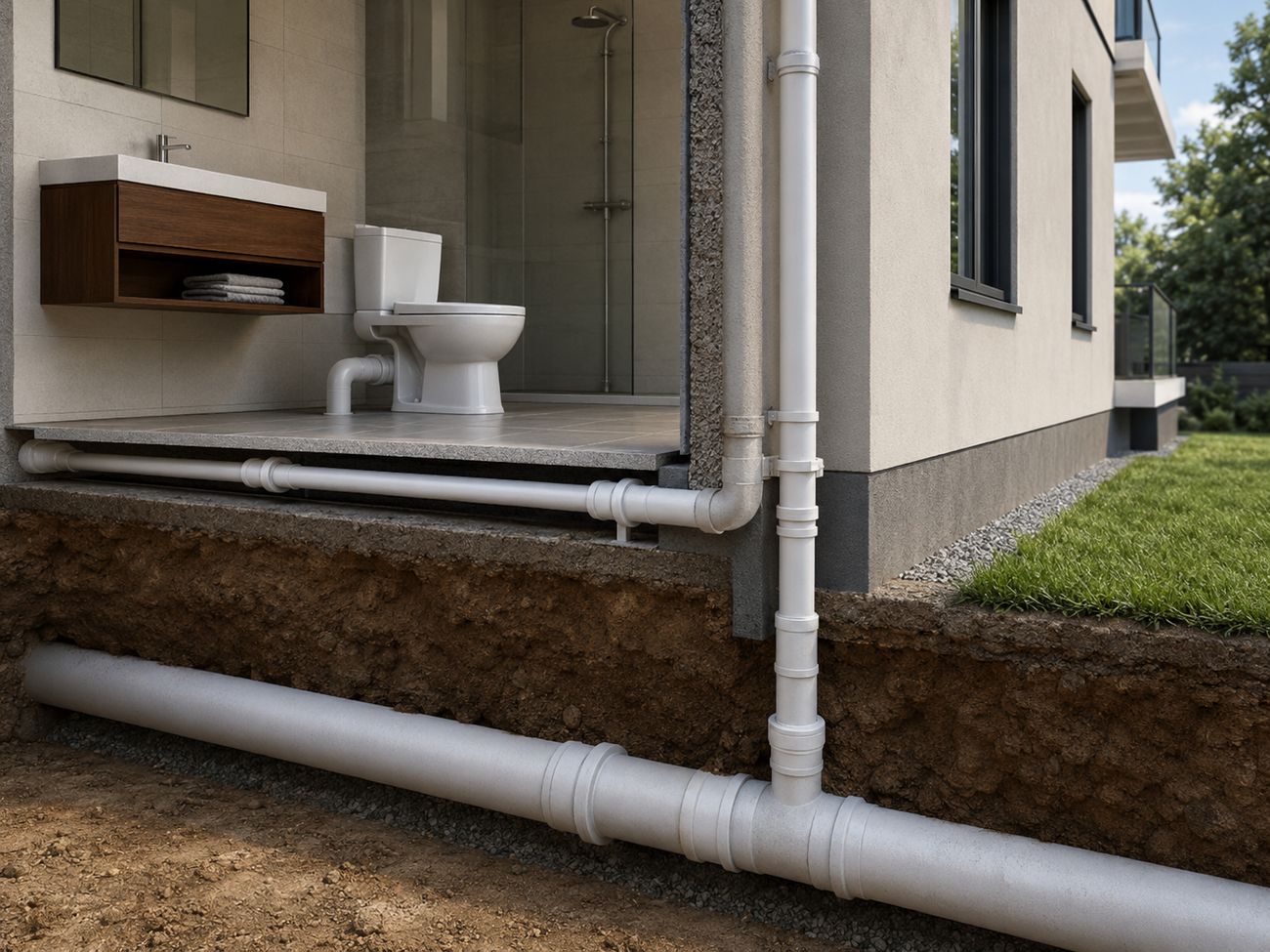
UPVC (Unplasticized Polyvinyl Chloride) pipe is a rigid plastic pipe widely used for water supply, drainage, irrigation, and electrical conduit systems.
UPVC pipes are known for:
High rigidity
Corrosion resistance
Smooth internal surface
Low installation cost
Long service life
Because of their strength and affordability, UPVC pipes are commonly used in municipal and residential projects.
What Is HDPE Pipe?
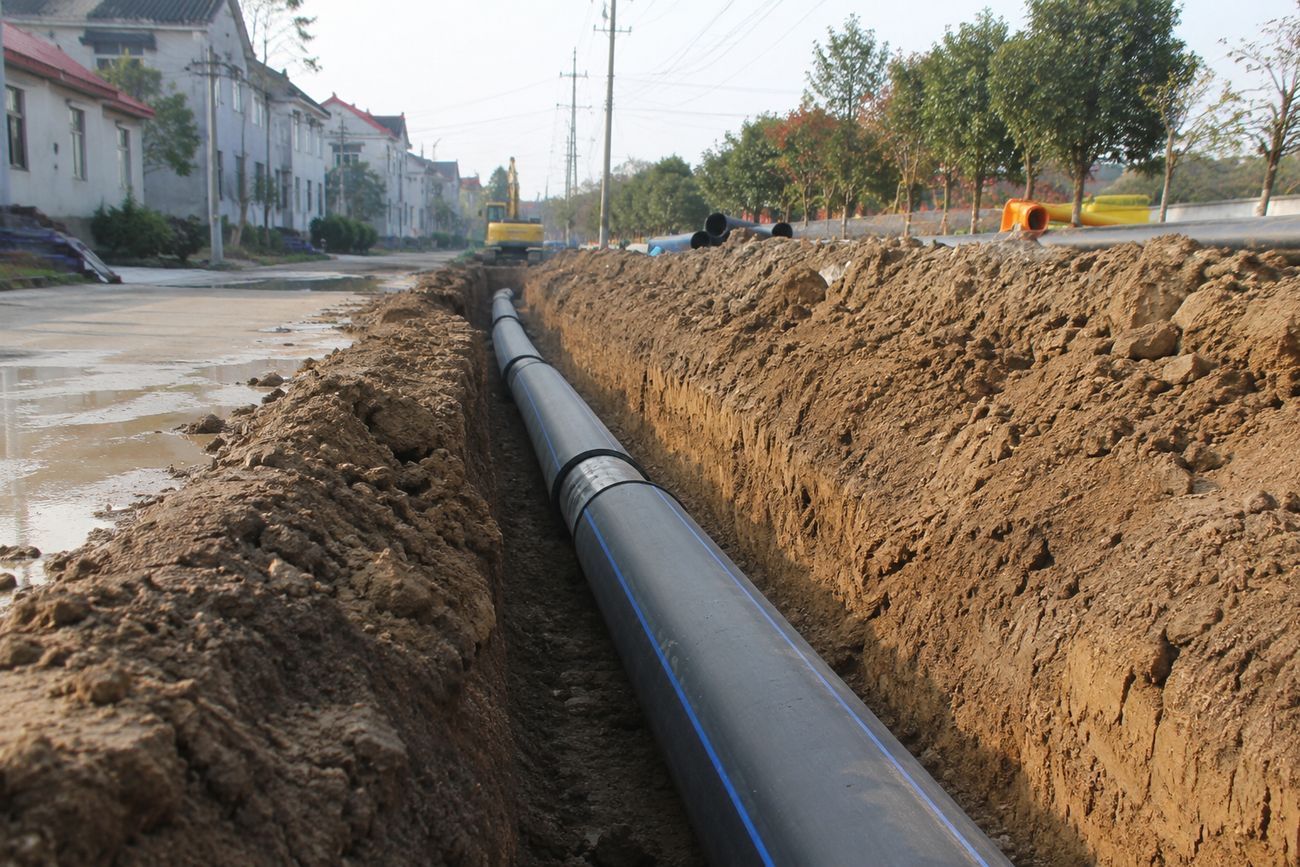
HDPE (High-Density Polyethylene) pipe is a flexible thermoplastic pipe widely used for underground water transportation, gas systems, mining, and agricultural irrigation.
HDPE pipes offer:
Excellent flexibility
Strong impact resistance
Leak-free welding connections
Good performance in harsh environments
HDPE is especially suitable for projects requiring flexibility or ground movement resistance.
UPVC Pipe vs HDPE Pipe: Main Differences
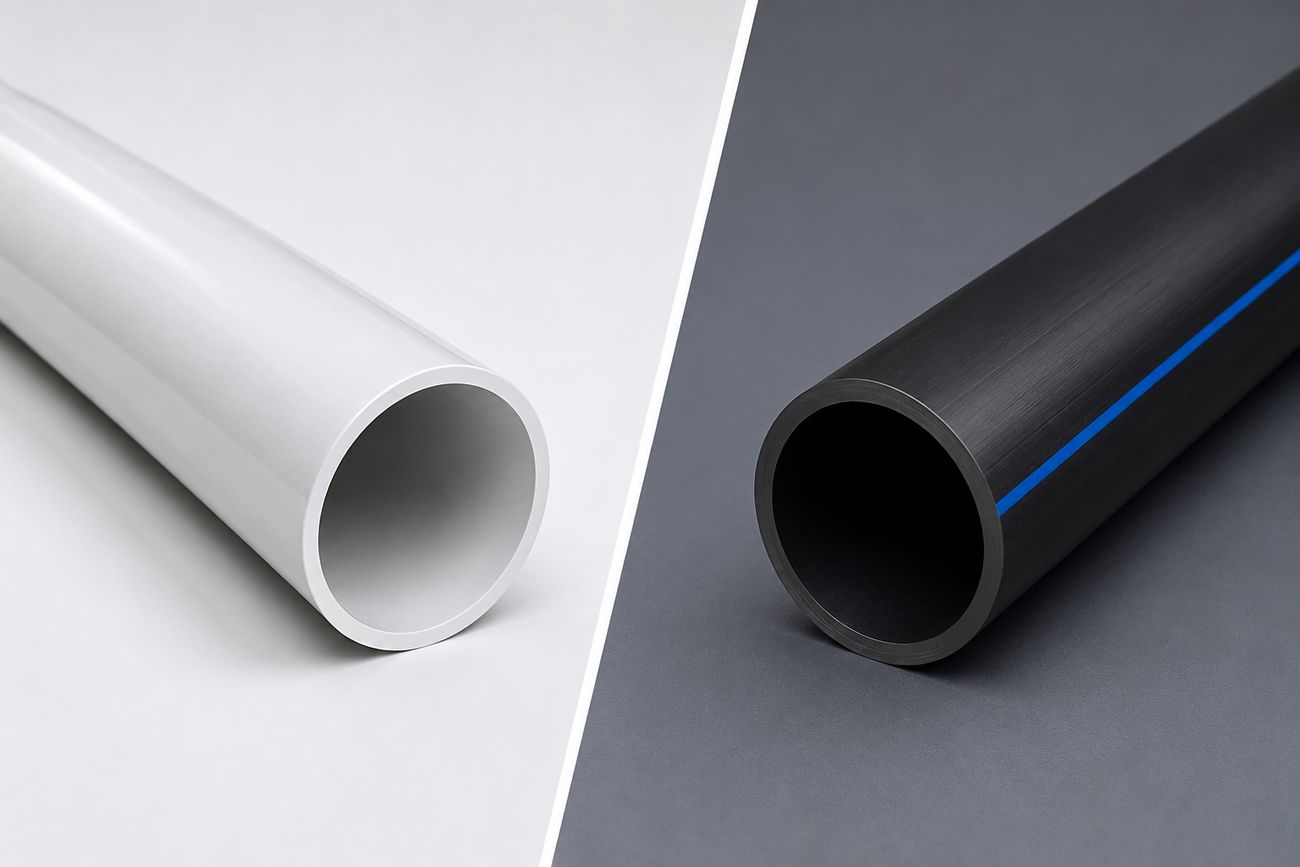
1. Flexibility
UPVC pipes are rigid, while HDPE pipes are flexible.
HDPE performs better in uneven terrain, earthquake-prone areas, and underground movement conditions. UPVC is more suitable for stable installation environments.
2. Installation Method
UPVC pipes are usually connected using solvent cement or rubber ring joints.
HDPE pipes are connected through heat fusion welding, creating a leak-free system.
UPVC installation is generally simpler and faster for standard construction projects.
3. Cost Comparison
UPVC pipes are usually more affordable than HDPE pipes, especially for large-volume municipal drainage or water supply systems.
HDPE may have higher material and installation costs because fusion welding equipment is required.
4. Pressure Resistance
Both UPVC and HDPE pipes can handle pressure applications, but HDPE performs better under high impact and dynamic pressure conditions.
UPVC pipes are commonly used for medium-pressure water supply systems.
5. Corrosion Resistance
Both materials provide excellent corrosion resistance compared to metal pipes.
Neither UPVC nor HDPE will rust, making them suitable for underground and chemical environments.
Which Pipe Is Better?
The answer depends on your application.
Choose UPVC pipe if you need:
Lower project cost
Easy installation
Municipal drainage systems
Residential water supply
Electrical conduit protection
Choose HDPE pipe if you need:
High flexibility
Underground movement resistance
Long-distance water transportation
Mining or industrial applications
Leak-free welded systems
Conclusion
Both UPVC and HDPE pipes are excellent piping solutions, but they serve different project requirements.
UPVC pipes are cost-effective, rigid, and easy to install, making them ideal for drainage and standard water supply systems.
HDPE pipes provide superior flexibility and impact resistance, making them better for demanding environments and underground applications.
Understanding the differences between UPVC and HDPE pipes can help engineers, contractors, and distributors choose the most suitable piping system for their projects.
Related images
Have a project question about this topic?
Share your project requirements and our team will help you select a suitable solution.